




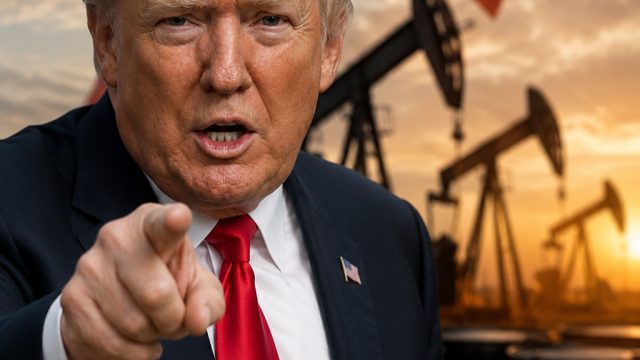
In a significant move reflecting ongoing economic concerns, former President Donald Trump has called on the U.S. Department of Justice (DOJ) to investigate oil companies over allegations of price gouging. These remarks come at a time when consumers are feeling the pressure of escalating fuel prices, which many believe are unjustified given the recent declines in oil prices.
The Current Economic Climate
The recent conflict in the Middle East has contributed to volatility in oil prices, causing many Americans to question why gas prices remain high despite a dip in crude oil costs. Trump has taken to social media, asserting that consumers are not seeing beneficial adjustments at the pump commensurate with the reductions in oil prices. This situation raises critical questions about pricing practices within the oil industry.
Understanding the Allegations
Trump's allegations against major oil companies suggest that they are failing to pass on the savings from lower oil prices to consumers. He stated, “The big oil companies are not dropping their price at the pump commensurate with the sharply lower prices they are paying for oil.” This statement indicates a disconnect between wholesale and retail pricing that many consumers are frustrated with.
The Role of Government in Price Regulation
Government intervention in pricing practices is not new, particularly during times of economic distress. The DOJ's potential investigation could lead to significant scrutiny of oil companies and their pricing strategies. Historically, such interventions aim to protect consumers from unfair pricing practices.
Potential Outcomes of the Investigation
- Increased transparency in pricing strategies of oil companies.
- Possible regulatory changes affecting how prices are set at the pump.
- Enhanced consumer protection measures to prevent price gouging.
Broader Implications for the Energy Market
The repercussions of Trump's directive could extend beyond immediate consumer relief. An investigation might uncover systemic issues within the oil industry, prompting broader discussions about energy independence, sustainability, and the role of big corporations in market pricing.
Industry Experts Weigh In
Industry analysts suggest that while immediate impacts may benefit consumers in terms of lower gas prices, the long-term effects could reshape how oil companies operate. The scrutiny faced by these companies may encourage them to adopt more competitive pricing strategies in the future.
What This Means for Consumers
For everyday Americans, the implications of this investigation are significant. With gas prices affecting budgets nationwide, the prospect of lower prices is appealing. As consumers look for the best ways to manage their finances amidst rising living costs, news of potential investigations adds a layer of hope for relief.
Staying Informed
It's crucial for consumers to stay informed about the developments in this situation. Here are a few ways they can do so:
- Follow credible news sources for updates on the investigation.
- Monitor changes in gas prices regularly to see if any adjustments occur.
- Engage in community discussions about energy consumption and pricing concerns.
Conclusion: A Call to Action
As the DOJ gears up for its investigation, consumers and stakeholders alike are left watching closely. The potential for change in oil pricing practices is a critical issue that reaches far beyond just gas prices. As Trump urges immediate action, the outcome of this investigation could reshape the relationship between consumers and oil companies, offering a much-needed reprieve in challenging economic times.
