




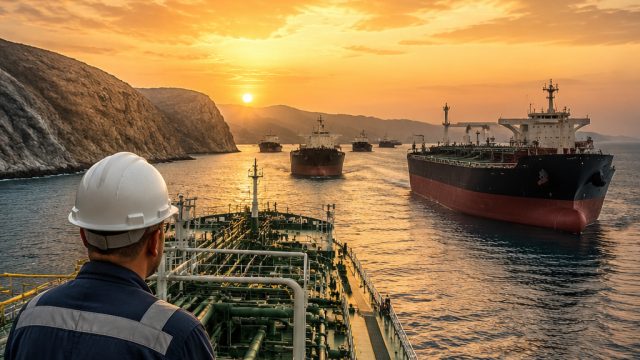
The recent agreement between the United States and Iran to reopen the Strait of Hormuz has sent ripples through the global oil market. As tankers begin to flow freely again through this critical waterway, industry experts are closely monitoring how this influx of oil will influence prices, supply chains, and the overall economy. For businesses worldwide, understanding these shifts is essential for strategic planning and operational adjustments.
The Significance of the Strait of Hormuz
The Strait of Hormuz is a vital corridor for oil transport, with approximately 20% of the world's petroleum passing through it. This makes it a critical area for global energy security. The reopening signals not just an increase in oil supply but also a potential stabilization of oil prices that have faced volatility due to geopolitical tensions.
Impact on Oil Prices
- Increased supply typically leads to lower prices, which can benefit consumers and industries reliant on oil.
- Conversely, a flood of supply can challenge producers in other regions, particularly those who rely on consistent pricing to maintain profitability.
- Initial market reactions suggest a downward trend in crude oil prices, as traders anticipate more cargoes entering the marketplace.
Market Adjustments and Strategies
As oil continues to flow from the Strait, companies across various sectors must adapt their strategies. Here are some key considerations:
- Supply Chain Management: Businesses should evaluate their supply chains to optimize costs in response to fluctuating oil prices.
- Contract Negotiations: With lower prices anticipated, firms may renegotiate contracts to secure favorable rates.
- Diversifying Energy Sources: Companies are encouraged to explore alternative energy sources to mitigate risks associated with oil dependency.
The Geopolitical Landscape
The reopening of the Hormuz Strait also brings geopolitical implications. With renewed movement of oil through this passage, it's crucial to consider how international relations will play a role in future agreements and potential supply disruptions.
Regional Stability and Trade Relationships
- The agreement between the U.S. and Iran could pave the way for strengthened trade relationships among Middle Eastern nations.
- However, fluctuations in political climates may still pose risks to consistent oil supply, keeping industry stakeholders on alert.
- Monitoring developments in regional politics will be essential for businesses operating in or with ties to these markets.
Long-Term Implications for Businesses
As the market adjusts to the sudden influx of oil, businesses should consider both short-term benefits and long-term strategies. Understanding the evolving landscape will be key to capitalizing on new opportunities while mitigating risks.
Investment Opportunities
The current situation could open doors for investment in sectors influenced by oil prices, including:
- Renewable Energy: With global emphasis on sustainability, companies can explore investments in cleaner energy solutions.
- Logistics and Transportation: Improvements in logistics services may become necessary as demand for transportation grows with increased oil supply.
- Technology Solutions: Innovations that enhance efficiency in energy consumption and management can gain traction during this transitional phase.
Conclusion: A Time for Strategic Planning
The reopening of the Strait of Hormuz is a significant event with far-reaching implications for the global oil market and businesses worldwide. As supply increases, it's vital for companies to remain agile, re-evaluate their strategies, and prepare for the effects of fluctuating oil prices. With proper foresight, businesses can navigate these changes effectively, positioning themselves for growth in an evolving economic landscape.
