




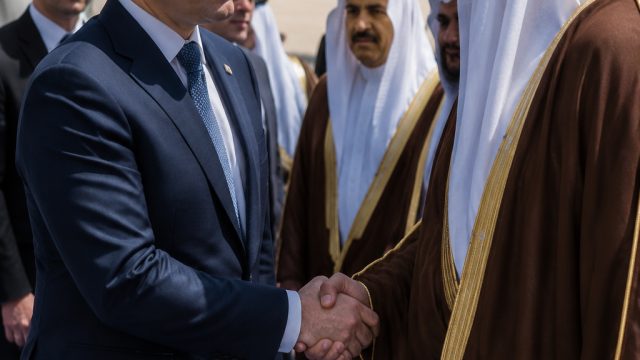
As tensions escalate over the Iran nuclear deal, U.S. Senator Marco Rubio is undertaking a critical diplomatic mission to reassure key allies in the Persian Gulf. His visit comes at a pivotal time when regional stability is at risk, making it essential for the U.S. to reinforce its commitments to Gulf partners.
Context: Rising Concerns Over the Iran Deal
The ongoing negotiations surrounding the Iran deal have stirred significant apprehension among Gulf states. With fears that a renewed agreement may embolden Iran’s regional ambitions, leaders from these nations are keenly observing Washington’s stance. Rubio’s visit aims to alleviate these concerns and reaffirm the U.S.'s commitment to Gulf security.
Understanding the Stakes
- Security Threats: Gulf nations worry about Iran’s influence in conflicts across the region, particularly in Iraq and Yemen.
- Economic Implications: Fluctuations in oil prices due to geopolitical tensions can destabilize Gulf economies.
- Regional Alliances: Strengthening ties with the U.S. is crucial for Gulf states to maintain their sovereignty against external pressures.
Rubio's Diplomatic Approach
During his visit, Rubio plans to meet with leaders from various Gulf nations, including Saudi Arabia, the UAE, and Qatar. His discussions will focus on ensuring that U.S. interests align with those of its allies in the region. This diplomatic engagement underscores a broader strategy to maintain peace and stability in the Middle East.
Key Points of Discussion
- Military Cooperation: Exploring avenues for enhanced military collaboration to counter any potential threats from Iran.
- Intelligence Sharing: Strengthening intelligence-sharing frameworks to monitor Iranian activities.
- Economic Partnerships: Discussing opportunities for deeper economic ties that can bolster the Gulf economies.
Implications for the Future
The outcome of Rubio’s discussions may have lasting impacts on U.S.-Gulf relations. A commitment to security may encourage Gulf states to maintain a united front against Iran, while also fostering an environment conducive to economic growth and political stability in the region.
The Role of the U.S. in Gulf Security
As the geopolitical landscape continues to evolve, the U.S. plays a crucial role in ensuring the security of its Gulf allies. The potential outcomes of Rubio's mission to reassure partners could pivotally influence future diplomatic engagements and military strategies in the Middle East.
Conclusion: A Timely Mission
With the Iran deal poised to reshape the geopolitical dynamics of the region, Rubio's diplomatic mission couldn't be more timely. By reinforcing U.S. commitments to Gulf allies, he aims to foster a sense of security and collaboration. As these discussions unfold, the focus remains on maintaining stability in a region that is often fraught with tension and uncertainty.
