




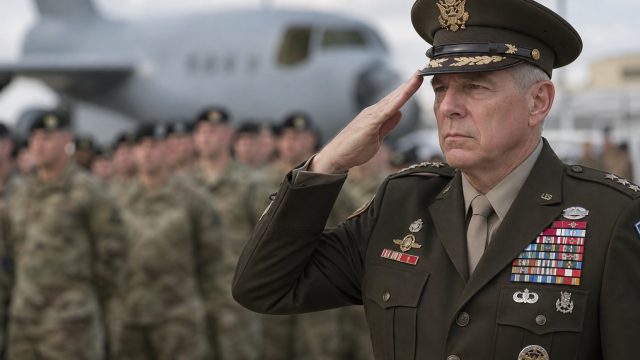
In a significant development within the U.S. military, General Chris Donahue, the commander of U.S. Army forces in Europe and Africa, is set to retire. This decision comes amid broader organizational changes within the Pentagon and reflects a continued evolution in military leadership as the country navigates complex global challenges. Such circumstances raise important questions regarding the future direction of military strategy and governance.
Understanding the Context of Retirement
General Donahue's departure marks the end of a notable era in leadership within the Army. Having previously served as the last American commander to depart Afghanistan, his extensive experience and strategic insights have been invaluable in various operations. His impending retirement is not an isolated incident but part of a series of high-profile departures that may reshape the structure of military command.
The Broader Organizational Shake-Up
This shift follows a broader trend of leadership transition within the Pentagon, where new strategies and priorities are being adopted to meet contemporary threats. Military officials suggest that these changes aim to enhance operational efficiency and adaptability in an ever-evolving security landscape.
- Increased focus on joint operations and collaboration with allied forces.
- Heightened emphasis on cyber warfare and technological integration.
- Addressing personnel challenges in recruitment and retention.
The Role of Key Figures in Military Leadership
While General Donahue's contributions are noteworthy, the replacement of key figures within the military presents both opportunities and challenges. New leadership can infuse fresh perspectives, yet it also brings uncertainty about the continuity of existing strategies.
What This Means for Military Strategy
The departure of General Donahue may lead to shifts in the strategic focus of U.S. Army operations. As the military adapts to new geopolitical realities, the incoming leadership will be tasked with addressing several critical issues:
- Responding to emerging threats from state and non-state actors.
- Maintaining readiness in an unpredictable global environment.
- Innovating training and operational protocols to reflect modern warfare demands.
Engaging the Military Community
The military community and the general public are closely watching these changes unfold. The appointment of a new commander in Europe and Africa will likely influence not only military policy but also international relations in a region characterized by ongoing tensions.
Implications for Allied Relationships
As the U.S. military navigates these transitions, maintaining strong relationships with European allies will be paramount. Collaborative efforts will be essential in addressing shared security challenges, and the new leadership will play a vital role in reinforcing these alliances.
In light of this leadership change, military personnel and analysts alike are encouraged to consider how these shifts will impact operational effectiveness and strategic objectives moving forward.
Conclusion: A Pivotal Moment for Military Leadership
General Chris Donahue's retirement is a pivotal moment that underscores the dynamic nature of military leadership. As the Pentagon undergoes this transformation, it is crucial for stakeholders to remain informed and engaged with the developments that will shape the future of the U.S. Army. By understanding the implications of such changes, we can better appreciate the complexities and challenges facing our military forces in today's world.
