




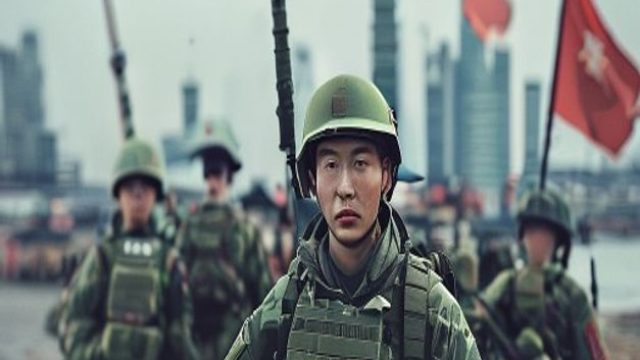
In a significant escalation of tensions in the Asia-Pacific region, a coalition of nations including the United States, the United Kingdom, France, and Germany has voiced their alarm over China's increasing military activities near Taiwan. This rising concern reflects a broader apprehension about China’s assertiveness in the region and its implications for global security.
The Context of Heightened Tensions
China's military maneuvers near Taiwan intensified in recent months, drawing criticism from various quarters. The Chinese government has stepped up its patrols in the Taiwan Strait, asserting its authority over foreign ships in the area. This has sparked fears of potential conflict and instability, prompting a unified response from major Western powers.
Joint Statement from Allied Nations
The allied nations, in a rare show of solidarity, issued a joint statement expressing their concern regarding China's actions. They emphasized the importance of maintaining peace and stability in the Taiwan Strait, which is a vital shipping lane and a critical area for international trade. The statement underlined the need for all parties to exercise restraint and avoid provocative actions.
Chinese Military Developments
Recent reports have highlighted several developments in the Chinese military, particularly with the introduction of new naval assets. The launch of China's advanced aircraft carrier, Fujian, has sparked debates about the implications of such advancements for regional security dynamics.
Potential Impact on Regional Stability
- Increased Military Presence: China's military drills near Taiwan are perceived as a direct challenge to Taiwanese sovereignty and could embolden aggressive tactics.
- Risk of Miscalculation: Heightened military activity raises the stakes for miscommunication and miscalculation, which could spiral into larger conflicts.
- International Response: The response from Western nations could further influence China’s military strategy and regional alliances.
The Importance of Global Unity
The current situation underscores the necessity for a united front against aggressive expansionism. The support from the US and its allies signals a commitment to defending democratic values and international law. Such unity is critical, especially considering the historical context of regional conflicts and the potential for escalation.
Indicators of Global Security Trends
The rising tensions in the Taiwan Strait are reflective of broader global security trends, which include:
- Military Modernization: Nations worldwide are increasingly investing in military capabilities, leading to a new arms race.
- Strategic Alliances: The formation of new alliances, like AUKUS, indicates a shift in how nations are preparing to respond to emerging threats.
- Public Sentiment: Growing concerns among the public regarding national security and foreign policy impact political decisions.
Conclusion: The Path Forward
As the situation near Taiwan continues to evolve, vigilant monitoring and strategic diplomatic engagement will be crucial. The actions taken by the international community now will significantly influence the future stability of the Asia-Pacific region. It is essential for nations to work collaboratively toward a peaceful resolution, emphasizing dialogue over military confrontation.
This growing global concern regarding China's military presence near Taiwan is not just about one nation but reflects broader themes of international relations and global security. As stakeholders in peace, all nations must prioritize cooperation to avert potential crises.
