




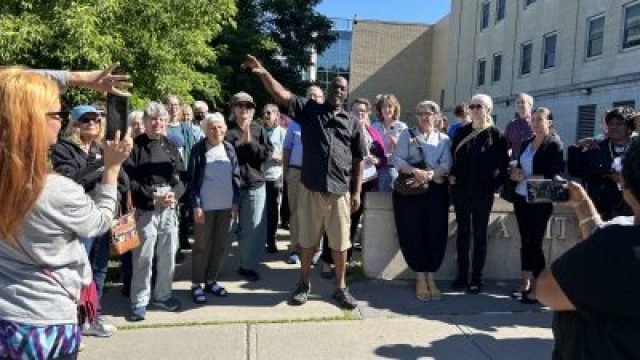
In a recent incident that has shaken the Ithaca community, a local hero, Ira McKinley, found himself at the center of controversy after saving a woman from a vicious dog attack. This extraordinary event has not only captivated the public's attention but has also ignited discussions about the implications of legal responsibilities associated with acts of heroism. Understanding the nuances of this case is essential, especially as society grapples with the concepts of bravery, justice, and the law.
The Incident: A Quick Overview
The shocking incident unfolded when a woman was attacked by a pit bull, leaving her in dire need of help. Without hesitation, McKinley intervened, managing to save her from what could have been a tragic fate. His bravery didn't go unnoticed, with many community members praising his quick thinking and courage.
Immediate Reactions
- Witnesses hailed McKinley as a hero, noting his selflessness during the ordeal.
- Local social media platforms erupted with messages of support, urging authorities to reconsider any actions taken against him.
- Community leaders have called for a gathering to discuss how to protect heroes like McKinley from legal ramifications.
Legal Complications: Why Was He Arrested?
While McKinley's actions were brave, the aftermath took an unexpected turn when he was arrested under circumstances that remain unclear to many. Investigating the legal framework surrounding citizen interventions during emergencies sheds light on the complexities involved.
Understanding the Law
In many jurisdictions, laws regarding self-defense and intervening in attacks can be ambiguous. Here are a few critical points:
- Self-defense laws: These laws often protect individuals acting to defend themselves or others, but they can be complicated by circumstances surrounding the incident.
- Duty to rescue: Some states have laws that compel individuals to assist others in peril, but the scope and limitations of these laws vary.
- Potential liability: Even heroic actions can lead to legal consequences if deemed excessive or reckless by authorities.
Community Outrage and Support
The arrest of Ira McKinley has not only generated significant media attention but has also sparked a larger conversation about community values and responses to acts of bravery. Close-knit communities often rely on their members to step up in critical moments, and McKinley's actions exemplify this spirit.
Voices from the Community
The public has rallied around McKinley, with various community members expressing their frustration over the arrest. Key voices include:
- Activists: Advocates for citizens' rights are calling for clearer laws that encourage helping others without the fear of legal consequences.
- Community leaders: Local leaders are demanding discussions with law enforcement to ensure that heroes are recognized and protected, not punished.
- Everyday citizens: Many residents have taken to social media, echoing sentiments that McKinley's actions should be celebrated, not criminalized.
Looking Ahead: The Broader Implications
As the story of Ira McKinley unfolds, its implications stretch far beyond the individual case. It raises critical questions about society's expectations of heroism and the legal frameworks governing such actions.
Potential Outcomes
There are several potential outcomes for McKinley and the broader community:
- Legal precedent: This case may set a significant legal precedent in how citizen interventions are viewed by the law.
- Policy changes: Increased advocacy could lead to changes in laws that protect individuals acting heroically in emergencies.
- Community cohesion: The incident may strengthen community bonds as residents unite to advocate for their rights and support one another.
Conclusion: A Call for Reflection
The saga of Ira McKinley serves as a poignant reminder of the complexities surrounding heroism and the law. As communities reflect on this incident, it is crucial to engage in dialogues that promote understanding, support, and protection for those willing to act bravely in the face of danger. This situation is more than a single arrest; it encapsulates a societal challenge that demands attention and action.
