




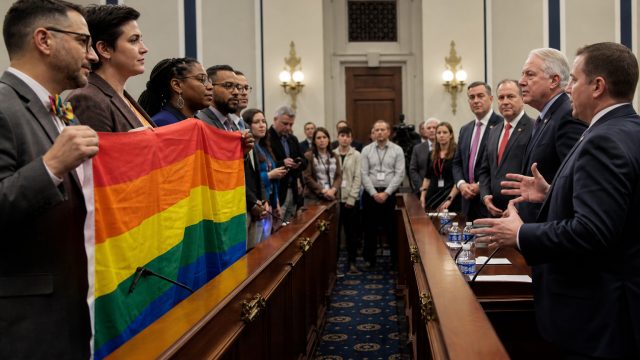
In recent years, the topic of LGBTQ+ rights has gained significant prominence in the political arena, particularly within the Republican party. As society becomes more accepting of diverse sexual orientations and identities, some factions within the GOP are grappling with resistance to these changes, creating a rift that could impact future elections.
The Backlash Against Same-Sex Marriage
The legalization of same-sex marriage highlighted a major shift in societal values. While many Republicans embraced this change, a vocal minority continues to express discontent. This backlash against same-sex marriage reflects deeper ideological divides within the party, raising questions about its future direction.
The Roots of Resistance
- Traditional Values: Some party members cling to conservative beliefs that view marriage as a union solely between a man and a woman.
- Electoral Strategy: Others argue that opposing LGBTQ+ rights can mobilize a specific voter base, thinking it may secure votes in conservative strongholds.
- Religious Beliefs: Religious convictions play a significant role, with many conservative voters believing that same-sex relationships contradict their faith.
The Impact on Party Unity
The disagreement over LGBTQ+ rights is not just a moral issue; it has significant implications for party unity. With elections approaching, Republican candidates face the challenge of balancing the expectations of their constituents with the growing acceptance of LGBTQ+ rights in wider society.
Candidate Dilemmas
Republican candidates are navigating a complex landscape when it comes to LGBTQ+ issues. Some are leaning into progressive stances to attract younger voters, while others are doubling down on traditional views that resonate with their base. This strategy can lead to mixed messaging, confusing voters and diluting the party's overall platform.
Why This Matters Now
The division within the Republican party regarding LGBTQ+ rights has broader implications for American society. As public opinion continues to evolve, the party's struggle to reconcile traditional values with contemporary views may shape its identity for years to come.
Current Political Climate
The political environment surrounding LGBTQ+ rights is changing rapidly. With increasing support for same-sex marriage and gender equality, Republican leaders are finding it difficult to maintain a unified front. Here’s why this matters right now:
- Electoral Consequences: Misalignment with public opinion could result in significant electoral losses in upcoming elections, especially among younger voters who prioritize inclusivity.
- Social Progress: The ongoing evolution of societal norms around LGBTQ+ rights may force the party to reconsider its stance or risk alienating potential supporters.
- Legislative Challenges: As more states consider legislation that protects LGBTQ+ rights, the GOP must address the implications of these changes on its policy agenda.
Conclusion
The current ideological battle over LGBTQ+ rights within the Republican party is emblematic of a larger cultural shift taking place across the United States. As the party strives to redefine its identity amidst changing societal norms, the outcome of this struggle could have lasting repercussions on both the Republican party and the LGBTQ+ community. Understanding this dynamic is crucial as we navigate a politically charged environment that continues to evolve.
