




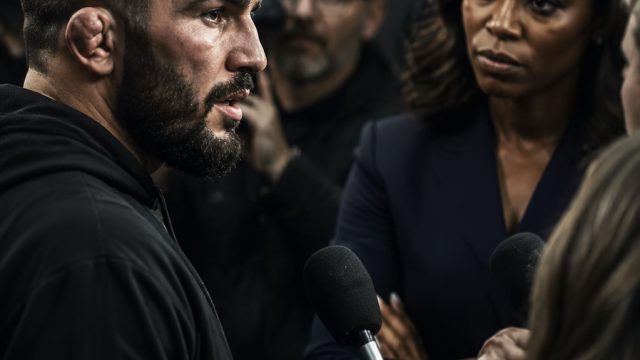
In today's fast-paced digital world, public figures are often under the microscope, subject to criticism and scrutiny for their statements. Recently, UFC fighter Josh Hokit thrust himself into the spotlight after making controversial remarks about former First Lady Michelle Obama. His comments have sparked significant discussion across social media platforms, reigniting conversations about gender and respect in public discourse. This event emphasizes the importance of understanding the impact of words in today's society.
What Did Josh Hokit Say?
During an interview, Hokit described Michelle Obama as someone who 'knows how to deal with adversity' and likened her work ethic to that of a man. He claimed his intention was to offer a compliment regarding her resilience and dedication. However, many interpreted his comments as dismissive and outdated, igniting a firestorm of reactions online.
Public Reaction and Debate
Hokit's remarks prompted a wave of responses, with many social media users expressing their indignation. Critics argued that his statement perpetuates harmful stereotypes about gender and diminishes the unique strengths women possess. The backlash is a reminder of how language can affect public perception and the responsibilities that come with being a public figure.
The Broader Implications of Gender-Based Comments
This incident is not just about one fighter's comments; it reflects a broader issue in society where gender stereotypes can influence how success and capabilities are perceived. Understanding the nuances of language, especially in the realm of gender, is essential in fostering respect and equality. Here are some critical points to consider:
- Language Matters: The words chosen can convey respect or reinforce stereotypes.
- Public Figures as Role Models: They set an example for millions and must be aware of their influence.
- Engagement and Advocacy: It's vital for individuals to engage in discussions about gender equality and challenge stereotypes.
Learning from the Backlash
Hokit's comments offer a pivotal lesson on the importance of careful communication. In a time when social media amplifies voices quickly, understanding the context and potential interpretations of statements is crucial. This incident encourages all public figures to consider their words thoughtfully, recognizing that compliments can carry different connotations.
Navigating Controversies in the Digital Age
As we move forward in this era where every statement can lead to widespread discussion, it’s essential to navigate controversies with sensitivity. The uproar around Hokit underscores the need for respectful dialogue and an appreciation for diverse experiences. Compounded by the immediacy of social media, public backlash can shape careers and influence future interactions.
Creating Constructive Dialogue
In light of incidents like this, fostering environments where constructive discussions can thrive is vital. Here are some strategies to promote dialogue that respects all perspectives:
- Encourage Feedback: Open lines of communication can help clarify intentions behind statements.
- Promote Education: Learning about gender issues can help individuals articulate their views better.
- Celebrate Diversity: Recognizing and valuing varied experiences can enrich discussions.
Conclusion: The Importance of Thoughtful Communication
The controversy surrounding Josh Hokit's remarks about Michelle Obama acts as a crucial reminder of how language contributes to societal perceptions. In a world that is increasingly interconnected, the responsibility of public figures extends beyond their professions; their words can drive change, reshape narratives, and evoke strong sentiments. As we engage in discussions about gender, respect, and the power of language, let this situation encourage us all to communicate thoughtfully and consciously.
