




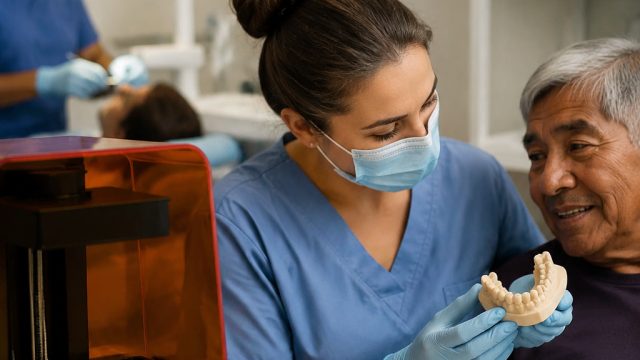
In a world increasingly driven by technology, the healthcare sector has made some remarkable strides, especially in the field of dental care. One shining example is Connor Gibson, a 22-year-old engineer who is leveraging 3D printing technology to create affordable dentures for underserved communities in America. His work not only enhances dental aesthetics but also restores dignity and confidence to those in need. Let’s explore this innovative approach and its significance in today’s healthcare landscape.
The Growing Need for Affordable Dental Solutions
The demand for affordable dental care has never been more urgent. According to recent studies, a significant portion of the American population lacks access to necessary dental services, often due to prohibitive costs. Traditional dental procedures can be financially out of reach for many families, leading to a cycle of neglect and worsening oral health.
Connor's initiative aims to address this critical gap by offering a solution that not only reduces costs but also increases accessibility. By utilizing 3D printing technology, he is able to produce high-quality dentures at a fraction of the cost of conventional methods.
Understanding the 3D Printing Process
So, what exactly is involved in 3D printing dentures? The process is both technologically advanced and surprisingly efficient. Here’s a breakdown:
- Digital Impressions: Using oral scanners, accurate digital impressions of a patient’s mouth are captured.
- 3D Modeling: These impressions are transformed into a digital model using specialized software.
- Printing: The model is then sent to a 3D printer, which creates the denture layer by layer using biocompatible materials.
- Finishing Touches: After printing, the dentures undergo a finishing process to ensure comfort and functionality.
This innovative approach not only speeds up the production time but also allows for customization that traditional methods can't match.
Impact on Communities and Individuals
The implications of Gibson's work extend far beyond the technical aspects of denture manufacturing. By providing affordable solutions, he is empowering communities and improving the quality of life for individuals who have long struggled with dental issues. Many low-income Americans face social stigma and psychological distress due to missing teeth, leading to reduced self-esteem and confidence.
With access to affordable dentures, patients are not just receiving a prosthetic; they are being given back their smiles and, consequently, their confidence. Here are some real-world benefits:
- Improved Oral Health: Proper dentures contribute to better nutrition and overall health.
- Increased Confidence: Patients often report feeling more confident in social situations.
- Job Opportunities: For some, a new smile can lead to improved job prospects and personal relationships.
Challenges Facing the Initiative
Despite the promising potential of 3D printed dentures, challenges remain. Here are a few obstacles that Connor and similar initiatives may face:
- Awareness: Many potential beneficiaries may not know about affordable options available to them.
- Funding: Securing financial backing for expanding operations can be tough, especially in a competitive market.
- Regulatory Hurdles: Navigating healthcare regulations can slow down innovation and implementation.
Addressing these challenges is crucial for sustaining the growth of this initiative and ensuring its long-term impact.
The Future of Dental Care: A Collaborative Effort
Looking ahead, the future of dental care could be significantly reshaped by advancements in 3D printing technology. Collaboration among engineers, dentists, and healthcare policymakers will be vital in pushing this initiative further. As more professionals recognize the benefits of 3D printing, we can expect a more widespread adoption of these practices.
Moreover, ongoing dialogue about healthcare accessibility will encourage innovations that prioritize the needs of underserved populations. Engaging with communities directly will foster an environment where everyone can access essential dental care, regardless of their financial situation.
Conclusion: A Brighter Smile for All
Connor Gibson’s journey serves as a beacon of hope for those who have previously faced barriers to adequate dental care. Through innovative technology and a commitment to social responsibility, he is setting a precedent for future dental solutions. As we continue to explore the capabilities of 3D printing, it is essential to recognize the profound impact these advancements can have on individuals' lives and the broader community. By championing affordable solutions, we can pave the way for a healthier, more inclusive future for all.
