




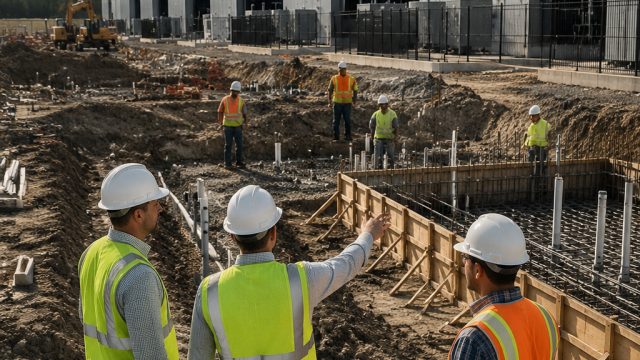
The rapid expansion of data centers fueled by technological advancements is significantly reshaping the landscape of the construction industry. As businesses increasingly rely on digital infrastructure, the demand for robust data center facilities has surged. This trend is not just altering market dynamics; it is also creating notable pressures on construction costs and labor availability. Understanding these changes is crucial for stakeholders in the construction and logistics sectors as they navigate the evolving market.
The Current State of Data Center Growth
In recent years, the growth of data centers has been nothing short of explosive. With the increasing use of cloud computing, artificial intelligence, and big data analytics, the necessity for efficient data storage and processing capabilities has become paramount. Construction firms are now tasked with not only meeting the demand for new data centers but also doing so under increasingly tight deadlines and budget constraints.
Why the Surge Matters Now
- Increased Demand: The explosion of digital services means that data centers are now essential for almost every industry.
- Cost Implications: Rapid growth has led to escalating costs in construction materials and labor, impacting overall project budgets.
- Labor Shortages: The construction industry is experiencing labor shortages, which are exacerbated by the current boom in data center projects.
Effects on Construction Costs
The construction industry is currently facing unprecedented challenges due to the soaring demand for data centers. The need for advanced technology and skilled labor is driving up construction costs significantly. Reports suggest that as data centers become more complex, construction firms are encountering higher expenses related to materials, labor, and compliance with new regulations.
Key Factors Driving Up Costs
- Material Prices: The demand for specialized materials used in building data centers is increasing, resulting in higher prices.
- Labor Costs: The competition for skilled labor in construction has intensified, leading to wage increases.
- Permitting and Regulations: More stringent regulations regarding environmental impact have added layers of compliance costs.
Labor Market Challenges
As data centers continue to rise, the construction workforce is stretched thin. Construction firms find themselves competing not only with each other but also with other industries seeking skilled workers. This competition is leading to a tightening labor market, which poses risks for timely project completion.
Solutions to Labor Shortages
- Training Programs: Investing in training initiatives can help bridge the skills gap.
- Partnerships with Educational Institutions: Collaborating with local colleges or trade schools can provide a new pipeline of talent.
- Incentives for Workers: Offering competitive salaries and benefits can attract more workers to the construction field.
The Future of Construction in the Era of Data Centers
Looking ahead, the construction sector must adapt to the ongoing demand for data centers. Companies that can innovate in project management and resource allocation will hold a competitive advantage. With the expectation of continued growth in the data-driven economy, construction firms need to develop strategic plans that balance cost, quality, and speed.
Strategic Considerations for Industry Players
- Embrace Technology: Implementing project management software and advanced construction techniques can improve efficiency.
- Focus on Sustainable Practices: Adopting sustainable construction methods can mitigate costs associated with compliance.
- Networking and Collaboration: Building relationships within the industry can lead to shared resources and knowledge.
Conclusion
The booming data center industry is reshaping the construction landscape, presenting both challenges and opportunities. As this sector evolves, stakeholders must remain vigilant and responsive to market trends. By understanding the implications of this data center growth surge on construction costs and the labor market, companies can better strategize for success in this dynamic environment. Staying ahead of these changes is key to thriving in the competitive construction marketplace.
