




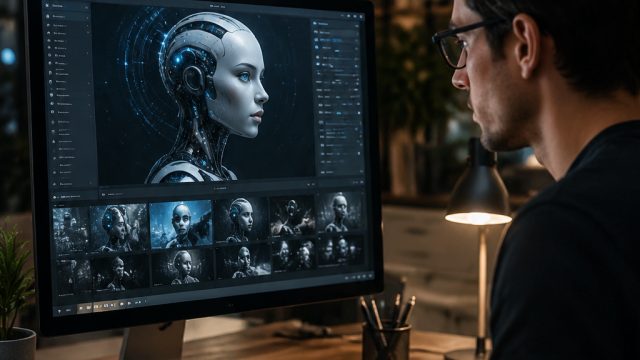
As the demand for creative solutions grows, designers are increasingly turning to artificial intelligence (AI) tools to enhance their workflows. This surge in interest reflects the need for efficiency in design processes, particularly in architecture and graphic design. In this article, we will explore some of the most promising AI tools available today, emphasizing their relevance and potential impact for professionals in these fields.
The Rise of AI in Design
AI technology has evolved rapidly, now offering designers powerful resources to streamline their creative processes. Tools like CharGPT Pro and Gemini Pro have garnered attention for their ability to generate content and assist in design tasks, providing valuable support rather than replacing human creativity. This shift has prompted many professionals to seek tools that can improve their workflows rather than overhaul their existing processes.
Why AI Matters Now
- Increased Demand for Efficiency: Designers face tight deadlines and high expectations, making it crucial to leverage technology for faster project completions.
- Enhanced Creativity: AI tools can inspire new ideas and concepts, allowing designers to explore avenues they might not have considered.
- Collaboration Opportunities: AI tools often come with features that facilitate teamwork, improving communication and project management.
Popular AI Tools for Designers
Among the myriad of AI tools available, a few stand out due to their features and user experiences. Here we will discuss some of the most recommended platforms, along with their strengths and limitations.
1. CharGPT Pro
CharGPT Pro has gained traction for its intuitive chat interface that can assist in generating content ideas and solving design challenges. Designers appreciate its ability to offer quick solutions and creative prompts.
2. Gemini Pro
Similar to CharGPT, Gemini Pro excels in providing comprehensive assistance tailored to the needs of graphic designers. Its capabilities include generating design concepts, which can significantly enhance a designer's creative toolkit.
3. Midjourney
Midjourney stands out for its focus on image generation. Designers using this platform have reported remarkable transformations in their visual projects, enabling them to create stunning images quickly.
4. Canva
Canva is known for its user-friendly interface and vast library of design elements. It provides designers with an accessible platform to create visuals without needing advanced technical skills. Its AI features further streamline the design process.
Choosing the Right Tool for Your Needs
When selecting an AI tool, it’s essential to consider your specific requirements. Here are some factors to keep in mind:
- Integration: Ensure the tool can seamlessly integrate into your current workflow.
- Features: Look for features that cater to your design style and project needs.
- User Experience: Opt for a tool with an intuitive interface that enhances your productivity.
- Support and Community: A strong user community can be invaluable for troubleshooting and sharing tips.
Conclusion
The integration of AI into design processes is not just a trend but a necessity for modern architects and graphic designers seeking to stay competitive. Tools like CharGPT Pro, Gemini Pro, Midjourney, and Canva offer unique advantages that can significantly enhance creativity and efficiency. By leveraging these technologies, designers can unlock new potentials and maintain a high standard of work in an ever-evolving industry. The time to explore these tools is now, as they hold the key to the future of design innovation.
