




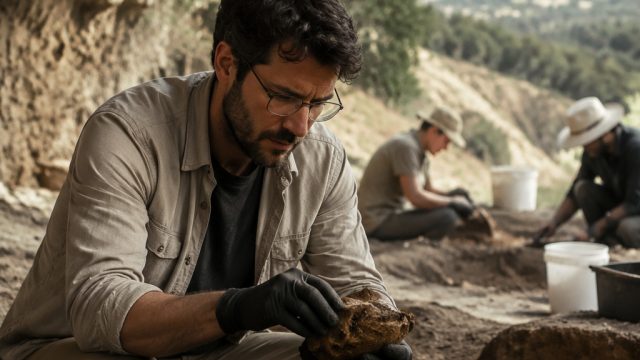
For centuries, the common perception of early humans paints them as a rough and unkempt lot, often devoid of the basic hygiene practices that many cultures uphold today. However, recent archaeological evidence suggests that our prehistoric ancestors may have prioritized cleanliness far more than previously thought. This revelation not only transforms our understanding of early human behavior but also illuminates the significance of hygiene throughout history.
Rethinking Early Human Lifestyle
Traditionally, early humans were depicted as perpetually dirty, but emerging insights challenge this stereotype. Archaeologists have uncovered artifacts and remnants that suggest routine washing and grooming played a crucial role in their lives. This shift in perspective is vital, especially as we reflect on our own cleanliness standards today.
Archaeological Evidence Highlights Hygiene Practices
- Excavations have revealed tools likely used for personal grooming.
- Bone analysis shows signs of treatments indicative of health maintenance.
- Evidence of water sources near living areas points to regular bathing practices.
These findings indicate that early humans might have engaged in practices that reflect a sophisticated understanding of health, much like modern societies. The proximity to water sources—rivers and lakes—suggests that they had access to adequate resources for bathing and personal care, contrary to the idea that they lived in filth.
Environmental Factors Influencing Hygiene
Environmental conditions played a significant role in shaping hygiene habits. As anthropologists study the varying climates and landscapes occupied by early humans, it becomes clear that these factors influenced their approach to cleanliness. For example, regions with abundant freshwater resources likely fostered habits emphasizing regular washing, while arid areas might have necessitated alternative hygiene methods.
Comparative Anthropology Offers Insights
Insights from comparative anthropology provide a deeper understanding of how various cultures approach hygiene. By examining contemporary hunter-gatherer societies, researchers uncover similarities that might reflect practices of our ancestors. Many such groups place high importance on cleanliness, using natural resources to stay clean and healthy.
The Modern Implications of Prehistoric Cleanliness
Understanding the importance of hygiene in early human societies is not just an academic exercise; it carries significant implications for how we view health and cleanliness today. In the wake of global health crises, such as the COVID-19 pandemic, the connection between hygiene and well-being has come into sharper focus.
Lessons Learned from the Past
Reflecting on early human practices can inform our current approach to public health. Here are some crucial lessons we can apply:
- Regular Hygiene Routines: Just as our ancestors prioritized individual cleanliness, maintaining consistent hygiene practices is essential for health.
- Access to Clean Water: Ensuring accessibility to clean water sources is vital for promoting public health.
- Community Awareness: Education about hygiene should be a priority, as knowledge can prevent the spread of diseases.
By drawing parallels to our prehistoric counterparts, we recognize the ongoing importance of hygiene across time. It serves as a reminder that maintaining health is a universal challenge that transcends generations.
Conclusion: A New Perspective on Our Past
The evolving narrative surrounding early human cleanliness challenges long-held assumptions about their lifestyles. It prompts a reconsideration of how we perceive our ancestors and encourages us to reflect on our hygiene practices today. As ongoing research continues to reveal more about early human behavior, the importance of cleanliness will undoubtedly remain a critical area of study, shaping our understanding of health and society.
