




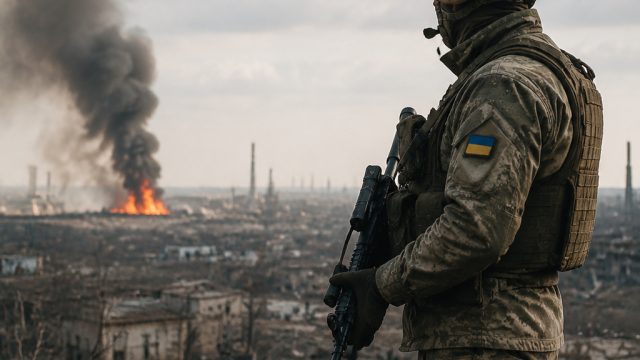
As the conflict between Ukraine and Russia continues to evolve, recent developments suggest that Ukraine is significantly escalating the costs of warfare for Russia. This shift not only demonstrates Ukraine's resilience but also tests the limits of Russian President Vladimir Putin's determination to maintain his military ambitions in the region.
The Current Landscape of the Conflict
Recent military operations and targeted strategies by Ukraine have resulted in increased pressure on Russian resources. Ukraine has focused on disrupting supply chains and targeting critical infrastructure, making it clear that the war is far from over. The implications of these actions stretch beyond the battlefield, influencing global perceptions and political dynamics.
Impact on Russian Supply Chains
- Supply disruptions are leading to fuel shortages in key regions.
- Russian military logistics are being challenged, affecting troop movements.
- Escalating operational costs due to targeted strikes exacerbate the situation.
Global Reactions and Political Ramifications
The international community is closely monitoring the situation, with many countries expressing support for Ukraine's efforts. This renewed backing could shift the tide in favor of Ukraine as it seeks to regain control over disputed territories.
Why Does This Matter Now?
The stakes are higher than ever. Ukraine's strategies not only aim to reclaim lost territories but also to demonstrate its capacity to inflict significant damage on Russian military operations. This evolution in tactics is crucial for several reasons:
- Financial Implications: The ongoing costs of war for Russia could lead to economic strain, potentially affecting domestic support for the Kremlin.
- Geopolitical Significance: A successful Ukrainian strategy could embolden other nations facing similar threats, altering global power dynamics.
- Future of NATO Relations: As Ukraine gains ground, NATO may reevaluate its support and strategy towards Eastern Europe.
Military Innovation and Adaptation
Ukraine's military has shown remarkable adaptability, employing technology and tactics that leverage their knowledge of the terrain and the weaknesses in Russian strategies. This innovative approach includes:
- Utilizing drone warfare for reconnaissance and targeted strikes.
- Implementing cyber operations to disrupt Russian communications and logistics.
- Engaging in international alliances to secure advanced weaponry and support.
Looking Ahead: The Future of the Conflict
As the conflict progresses, the focus will remain on whether Ukraine can maintain its momentum and continue to challenge Russian military capabilities. Observers speculate that the next few months will be critical in determining the outcome of this drawn-out conflict. With winter approaching, both sides are likely to adjust their strategies to adapt to changing conditions.
Key Factors to Monitor
As we move forward, several key elements will shape the trajectory of the conflict:
- Russia's response to increased military pressure and potential domestic unrest.
- Ukraine's ability to sustain its operations with international support.
- Potential diplomatic efforts to resolve the conflict as costs escalate.
Conclusion
The ongoing conflict between Ukraine and Russia is a dynamic and multifaceted challenge that continues to reshape the geopolitical landscape. As Ukraine raises the stakes for Russia, the future of the region remains uncertain. Stakeholders globally must remain vigilant in observing how these developments unfold, as they hold implications not just for the countries involved but for international relations as a whole.
