




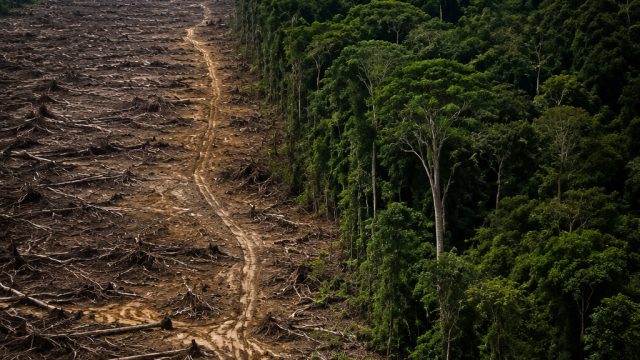
In recent years, the alarming rates of deforestation have sparked global concern, leading policymakers, businesses, and consumers to reconsider their practices. This pressing issue isn't confined to specific regions; instead, it's a worldwide problem deeply intertwined with international trade. As countries rely on diverse resources from abroad, it's vital to understand how these imports contribute to deforestation and what can be done to mitigate these effects.
The Connection Between Trade and Deforestation
Deforestation often occurs in regions where valuable resources are extracted. Countries import goods that result from these activities, such as timber, palm oil, and soy. As demand for these products grows, so does the pressure on forest ecosystems. Understanding this connection is crucial for businesses and policymakers alike.
Trade-Driven Deforestation: A Global Perspective
Research shows that specific countries are major contributors to global deforestation due to their importing practices. For example, China and the United States rank high in this regard, significantly impacting tropical forests. The interplay of trade agreements and consumer preferences fuels this cycle, making it essential to examine the full scope of international commerce.
Tracking Deforestation Flows
Innovative tools are emerging that allow users to visualize deforestation flows linked to trade. These tools provide valuable insights into how much deforestation is associated with the products countries import. By understanding these flows, stakeholders can make informed decisions that factor environmental impacts into their operations.
Interactive Tools for Exploration
- Deforestation Map: An interactive platform that shows deforestation impacts per country.
- Trade Analysis: Understand how specific industries contribute to deforestation.
- Consumer Reports: Learn which companies prioritize sustainability in their supply chains.
How Businesses Can Respond
For businesses, the implications of understanding trade-related deforestation are significant. Companies can no longer afford to ignore the environmental costs of their supply chains. Here are some actionable steps that organizations can take:
Implement Sustainable Practices
- Engage with Suppliers: Ensure that suppliers follow sustainable forestry practices.
- Certifications Matter: Look for sustainable certifications like FSC (Forest Stewardship Council) for products.
- Reduce Footprint: Adopt practices that minimize imports of high-deforestation risk products.
Raise Consumer Awareness
Businesses can utilize their platforms to educate consumers about the environmental impacts of their purchases. Encouraging customers to be conscious of their buying habits can create a ripple effect, promoting sustainability.
Why Awareness Matters Now
With the impending climate crisis, understanding deforestation’s impact through trade is more critical than ever. As global trade continues to expand, the pressure on forests increases, threatening biodiversity and worsening climate change. Immediate action is essential not just for preserving our environment but also for promoting sustainable economic growth. Individuals, businesses, and governments must collaborate to alter the current trajectory.
Future Directions
Investing in green technologies and sustainable practices is imperative for the future. As consumers become more aware of the consequences of their choices, demand shifts towards eco-friendly products. This shift not only benefits the environment but can also enhance brand reputation and consumer loyalty.
Conclusion
The complex relationship between trade and deforestation presents both challenges and opportunities. By leveraging tools that analyze deforestation flows and adopting sustainable practices, we can work toward a more balanced approach to global trade. As stakeholders in this process, it is our responsibility to ensure that our economic activities do not come at the expense of our planet's forests. The time to act is now.
