




Introduction
The recent sentencing of eight individuals to a collective 450 years in prison has drawn national attention, reflecting the increasing societal divide and the heightened legal repercussions surrounding protests in the United States. This significant development stems from a violent demonstration against the Immigration and Customs Enforcement (ICE) in Texas, which escalated to a level that shocked many across the nation.
The Incident That Sparked Outrage
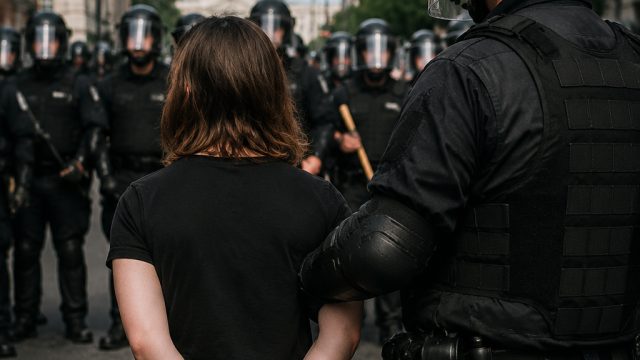
In a protest that began as a peaceful demonstration against ICE policies, tensions rapidly escalated, leading to a violent clash that resulted in injuries, including a law enforcement officer being shot. The response from authorities was swift, labeling the actions of the protesters as acts of terrorism. The lengthy sentences imposed on these individuals serve not only as a punishment but also as a warning about the consequences of such civil unrest.
Background of the Protest
The anti-ICE protest was part of a larger movement focused on immigration reform and police accountability. Activists have increasingly turned to demonstrations to voice their dissent against what they view as unjust policies. However, this particular event took a dangerous turn, raising questions about the limits of free speech and the right to protest.
Legal Ramifications and Public Backlash
The courts have taken a hardline stance in response to the actions of the protesters. The terrorism charges handed down are unprecedented, signaling a potential shift in how future protests may be prosecuted. Legal experts are closely monitoring this case, as it could set a new precedent for the treatment of protesters nationwide.
Implications for Future Protests
- Increased Surveillance: Authorities may ramp up surveillance and monitoring of protest activities.
- Legal Precedents: Future demonstrations could face harsher penalties.
- Public Perception: The public’s view of protest movements may shift, as violent incidents gain more media attention.
Societal Impact and Community Response
The aftermath of the protest has sparked debates about civil rights and government overreach. Many advocates argue that these sentences are excessive and serve as a mechanism to stifle dissent. Community leaders are calling for dialogue and understanding, emphasizing the need for peaceful resolutions over violent confrontations.
Calls for Reform
In light of these events, there is a growing movement advocating for reform in how protests are handled. Some of the key areas of focus include:
- Promoting nonviolent protest methods.
- Legal protections for peaceful demonstrators.
- Community engagement initiatives to address underlying issues.
Conclusion
The sentences handed down to these eight protesters are more than just legal consequences; they signify a critical moment in American society where the lines between protest, policy, and public safety are increasingly blurred. As we witness the fallout from this case, it is essential for citizens, lawmakers, and leaders to engage in productive dialogue aimed at addressing the root causes of dissent while respecting the right to protest. How this case unfolds may very well determine the future landscape of civil rights and public demonstrations in the United States.
