




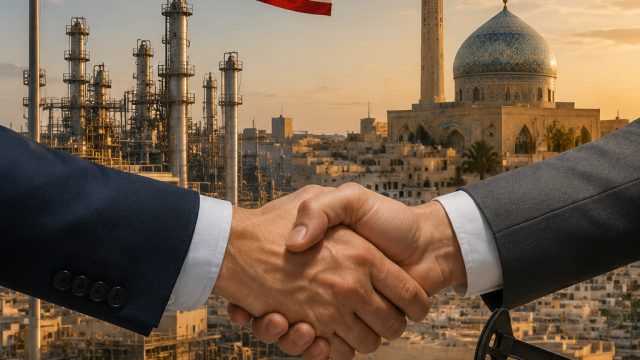
As geopolitical tensions continue to shape the Middle East, the U.S. has been adapting its economic strategy towards Iraq to navigate this complex landscape. Recent developments suggest that while challenges remain, there are signs of progress that could influence Iraq's trajectory in the coming years.
Current Landscape: Iraq's Economic Challenges
Iraq is currently grappling with a myriad of economic issues, compounded by its reliance on oil exports and the influence of militias. The government has announced plans to exert more control over these militias, but implementing these changes will require a multi-faceted approach.
The Role of Oil Exports
Oil remains the backbone of Iraq's economy, accounting for a significant portion of its revenue. However, fluctuations in global oil prices and production capabilities have made it essential for Iraq to explore diverse export routes. The U.S. is encouraging Iraq to seek partnerships that will stabilize its oil revenue amidst ongoing geopolitical pressures.
- Enhancing infrastructure for oil transport
- Diversifying export partnerships
- Investing in renewable energy sources
Militia Influence and Governance
The Iraqi government has promised to rein in the power of militias that have historically undermined its authority. This fragile balance between maintaining control and fostering stability is critical for U.S. interests in the region.
The U.S. Response: Economic Pressure and Support
In response to Iraq's challenges, the U.S. has ramped up its economic engagement, focusing on both sanctions against adversarial influences, such as Iran, and direct support for Iraqi governance. By doing so, the U.S. is attempting to create a framework where Iraq can regain sovereignty over its economic and political decisions.
Strategic Economic Initiatives
The U.S. is pursuing several initiatives to bolster Iraq's economy and governance:
- Facilitating trade agreements that exclude Iranian influence
- Investing in technology transfer to enhance oil production
- Creating programs aimed at military and civilian training in governance
Future Prospects: Can Iraq Achieve Stability?
The question remains: can Iraq achieve a level of stability that allows for economic growth and governance without the overshadowing influence of militias and external powers? The U.S. strategy will play a crucial role in determining this outcome.
Potential for Economic Growth
If Iraq can successfully implement reforms and gain control over its militias, the potential for economic growth is significant. Key factors include:
- Increased foreign investment
- Enhanced regional cooperation
- Stabilized oil prices and production levels
Challenges Ahead
Despite optimistic projections, several challenges could impede progress:
- Continued militia threats and external destabilization efforts
- Persistent corruption within the government
- Global economic uncertainties impacting oil demand
Conclusion: A Crucial Moment for Iraq
The ongoing situation in Iraq is a pivotal moment for its future. The U.S. economic strategy, while focused on countering adversarial influences, also holds the potential to foster a more stable and self-sufficient Iraq. As the international community watches closely, the coming months will be crucial in determining whether Iraq can turn this situation into an opportunity for growth and stability.
