




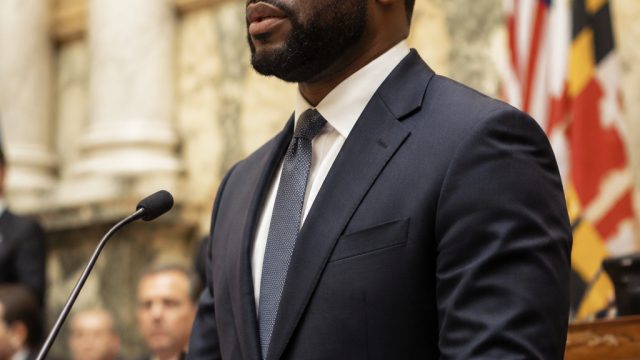
In a significant shift within Maryland's political landscape, Adrian Boafo has emerged victorious in the Democratic primary to succeed the retiring Representative Steny Hoyer. This pivotal moment not only marks a new chapter for the 5th congressional district but highlights the growing influence of financial backing from Super PACs in shaping political outcomes.
Super PACs and Their Role in Modern Politics
Super PACs have increasingly become a cornerstone of political campaigns across the United States. In Boafo's case, over $11 million was funneled into his campaign from various interests, particularly from pro-Israel and cryptocurrency sectors. This financial support underscores the power and reach of Super PACs in influencing electoral results.
The Financial Landscape of the Campaign
Boafo's campaign benefited from a strategic financial advantage, which is becoming more common in high-stakes elections. The significant contributions allowed his team to amplify their messaging and outreach efforts. Here are key elements that shaped his financial strategy:
- Funding Sources: The primary influx of cash came from Super PACs aligned with specific political interests.
- Targeted Advertising: The campaign leveraged the funds for extensive ad placements across various media.
- Grassroots Mobilization: Despite the financial dominance, Boafo also focused on grassroots efforts to connect with voters on a personal level.
The Shift in Political Dynamics
Boafo's win signals a changing tide in Maryland's political dynamics, where traditional campaign financing is increasingly supplemented by substantial Super PAC contributions. This evolution brings both opportunities and challenges for future candidates:
Opportunities for Emerging Candidates
The success of candidates like Boafo demonstrates that emerging politicians can secure victory with the right backing, even in competitive primaries. This shift provides a platform for new voices and ideas, particularly those that resonate with younger voters and underrepresented communities.
Challenges and Concerns
However, the reliance on Super PAC funding raises concerns about the influence of money in politics. Some of the main issues include:
- Accountability: Candidates may feel beholden to their financial backers rather than their constituents.
- Voter Engagement: A focus on big money can overshadow grassroots efforts, potentially alienating average voters.
- Transparency: The opaque nature of Super PAC funding can lead to public distrust in electoral processes.
The Implications for Future Elections
Adrian Boafo's primary win is not just a personal victory but a reflection of broader trends in American politics. As we look to future elections, the implications of his campaign could serve as a blueprint for other candidates:
Analyzing the Trends
The infusion of financial resources from Super PACs is likely to continue shaping electoral strategies. Potential candidates should consider the following:
- Building Alliances: Forming alliances with influential organizations may enhance fundraising efforts.
- Diversifying Funding: Candidates may need to balance Super PAC support with grassroots fundraising to maintain voter trust.
- Emphasizing Transparency: Being open about funding sources can help build credibility with voters.
Conclusion: A New Era for Maryland Politics
As Adrian Boafo prepares to head to the general election, his victory in the Democratic primary serves as a wake-up call for both candidates and voters alike. The evolution of campaign financing through Super PACs is reshaping the political landscape, and how candidates navigate this new reality will be critical. For voters in Maryland and beyond, staying informed and engaged will be essential as they witness these changes unfold in the run-up to the 2026 elections.
