




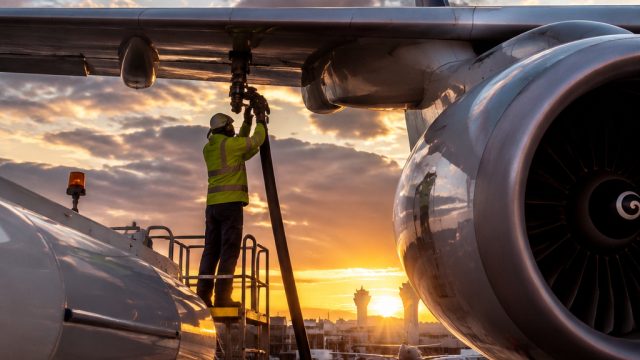
Gear Up for Rising Airfare: Understanding the Impact of Jet Fuel Prices
As the travel industry continues to rebound post-pandemic, a new concern looms on the horizon: the potential surge in airfare costs. Recent analyses indicate that airfares may climb by as much as 25% due to escalating jet fuel prices. This trend is set to create significant ramifications for travelers and the aviation sector alike.
The Current Landscape of Jet Fuel Prices
For several months, the global market has witnessed a notable rise in jet fuel prices, primarily driven by geopolitical tensions and fluctuating crude oil costs. Analysts from leading consultancy firms, including McKinsey, have underscored the urgency of this issue, suggesting that airlines may be compelled to pass on these costs to consumers in the form of higher ticket prices.
Key Factors Contributing to Rising Fuel Costs
- Geopolitical Events: Ongoing conflicts and sanctions affecting oil-exporting countries can create supply chain disruptions.
- Increased Demand: With travel restrictions easing, a surge in travel demand has put pressure on fuel supplies.
- Environmental Regulations: Stricter regulations aimed at reducing carbon emissions could lead to higher operational costs for airlines.
Implications for Travelers
The anticipated rise in airfares is likely to have profound effects on consumer travel budgets. For many, this could mean reconsidering vacation plans or opting for more economical travel options. The impact may be felt across various demographics, from business travelers to vacationers.
What Travelers Should Expect
- Increased Ticket Prices: Flights are likely to become significantly more expensive, especially for long-haul destinations.
- Impact on Loyalty Programs: Airlines may adjust their loyalty programs, making it harder for travelers to accumulate points or redeem rewards.
- Changes in Travel Behavior: Consumers might shift to alternative modes of transportation or postpone trips altogether.
Industry Reactions and Future Outlook
The airline industry is already reacting to these rising costs. Executives are exploring various strategies to mitigate the impact of increased fuel prices. Some airlines are investing in more fuel-efficient aircraft, while others are revisiting their pricing structures.
Strategic Measures Being Taken
- Cost Optimization: Airlines are reviewing operational efficiencies to lower costs.
- Dynamic Pricing Models: Airlines may implement more aggressive dynamic pricing models to manage demand and costs.
- Enhanced Consumer Communication: Transparency regarding fare increases will be crucial to maintaining customer loyalty.
Conclusion: Preparing for the Future of Air Travel
With rising jet fuel prices poised to affect airfares significantly, it's essential for both travelers and industry stakeholders to stay informed and prepared. As the landscape of air travel evolves, consumers will need to adapt their expectations and budgets accordingly. By understanding these changes now, travelers can make more informed decisions about their future journeys. Stay tuned to Ulvesta for the latest updates on travel trends and cost analyses.
