




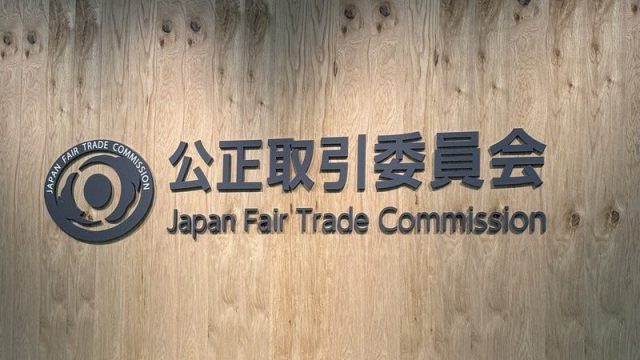
The anime industry is witnessing a significant transformation as regulators introduce new guidelines for anime contracts. This shift comes at a time when the global market is increasingly intertwined, affecting not just local players but international distributors and partners. As anime continues to gain traction worldwide, understanding these changes is crucial for businesses involved in this vibrant sector.
Understanding the New Regulatory Framework
The recent guidelines set forth by antitrust regulators are designed to foster fair competition and protect intellectual property within the anime sector. These measures aim to ensure that contracts are transparent and equitable, particularly between creators and distributors. As anime content moves rapidly across borders, clarity in contractual obligations is more important than ever.
Key Features of the New Guidelines
- Transparency: Contracts must clearly outline the rights and responsibilities of each party involved.
- Fair Compensation: Creators are entitled to fair payment for their work, reflecting the true value of their intellectual property.
- International Standards: Guidelines align with global copyright laws, facilitating smoother international trade.
Why This Matters Now
The timing of these regulations is particularly significant as the demand for anime continues to grow globally. With platforms like streaming services expanding their offerings, there is a pressing need to adapt to this evolving landscape. Establishing clear contract guidelines helps mitigate disputes and fosters a healthier ecosystem for creators, distributors, and fans alike.
Impact on Global Anime Exports
As the anime market expands, so does the complexity of international deals. For businesses involved in the export of anime-related products, understanding these new guidelines is essential:
- By adhering to the new standards, companies can avoid legal pitfalls that could jeopardize their operations.
- Businesses can leverage fair practices to build stronger partnerships with content creators and distributors globally.
- Regulatory compliance enhances brand reputation, which is vital in a competitive market.
Broader Market Implications
The regulatory changes extend beyond anime contracts, reflecting a broader shift in how intellectual property is treated in the global market. As countries grapple with economic pressures and competitive imbalances, these guidelines signal a move towards more equitable trade practices.
Potential Challenges Ahead
While the new guidelines may foster a more balanced approach to anime contracts, businesses should remain vigilant. The following challenges may arise:
- Compliance Costs: Adapting to new regulations may require financial investment and resources.
- Market Disruption: Existing contracts may need renegotiation, leading to potential disruptions in supply chains.
- Global Variability: Different countries may interpret and implement these guidelines in varied ways, complicating international dealings.
Conclusion: Adapting to Change in the Anime Industry
The introduction of new guidelines for anime contracts presents both opportunities and challenges for businesses involved in this thriving industry. By understanding and adapting to these changes, companies can position themselves strategically in the evolving market landscape. As anime continues to capture global audiences, being informed and compliant with these regulations will be essential for long-term success.
At Ulvesta.com, we are committed to keeping you informed about the latest developments that impact your business. Stay tuned for more insights and updates on how these changes will affect the broader export and wholesale sectors.
