




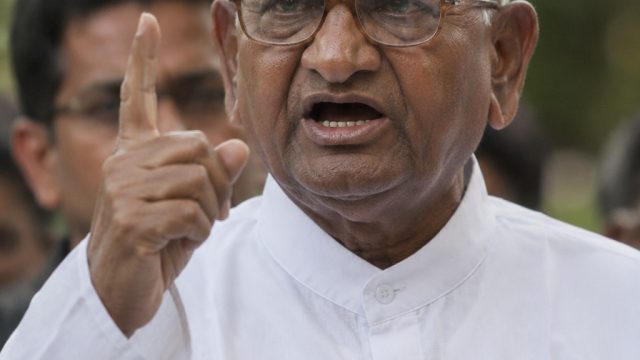
In a bold move that has captured the attention of the public and media alike, renowned activist Anna Hazare has declared his intention to initiate an indefinite hunger strike starting July 5. This decision comes in response to recent modifications made by the Maharashtra government to the Right to Information (RTI) Rules, which Hazare claims undermine the very essence of transparency and accountability that the RTI Act was designed to uphold.
The Context Behind Hazare's Protest
Anna Hazare, a prominent figure in India's anti-corruption movement, has always stood firm in his belief that the RTI is a vital tool for citizens to hold the government accountable. The amendments introduced by the Maharashtra government, which critics label as “illegal,” are seen as a direct threat to the framework that allows citizens to seek information from public authorities.
What the Amendments Entail
The Maharashtra Right to Information Rules, set to be implemented in 2026, are under fire for potentially limiting access to public information. Key changes include:
- Stricter guidelines on the types of information that can be requested.
- Higher fees for filing RTI applications.
- Increased powers for officials to refuse applications.
Hazare argues that these changes would 'blunt' the effectiveness of the RTI Act, making it harder for the average citizen to obtain vital information regarding public affairs.
The Implications of the Hunger Strike
Hazare's call for a hunger strike has stirred a significant amount of debate within Maharashtra and beyond. His previous protests have historically garnered widespread public support, leading to impactful changes in government policies. This latest move is not just about the amendments; it symbolizes a larger struggle for transparency in governance.
Public Reaction and Support
As news of Hazare's planned hunger strike spreads, public sentiment appears to be rallying in support of the activist. Many citizens are expressing their concerns over the amendments and the potential erosion of transparency in government operations. Social media platforms are abuzz with discussions, pledging support for Hazare's cause.
The Broader Context of RTI in India
The Right to Information Act was enacted in 2005, heralded as a revolutionary step toward greater transparency in governance. However, amendments like the ones proposed in Maharashtra have raised alarms among activists and citizens alike, who fear that such changes could set a dangerous precedent across the country. It is crucial to recognize that the success of the RTI Act has largely depended on the ability of ordinary citizens to access information freely.
Why This Matters Now
The timing of Hazare's protest is especially significant given the current socio-political climate. With rising discontent regarding government transparency and accountability globally, Hazare's actions could serve as a catalyst for broader movements advocating for rights and justice. The implications of this hunger strike extend beyond Maharashtra; they resonate with citizens nationwide, potentially inspiring similar protests against perceived governmental overreach.
Conclusion: A Call to Action
As Anna Hazare prepares to make a stand for the RTI Act, it presents an opportunity for citizens to reflect on the importance of transparency in governance. The upcoming hunger strike could be a pivotal moment in India's ongoing fight for accountability. Support for Hazare may not only push the Maharashtra government to reconsider its recent amendments but could also reignite the call for a stronger, more transparent democracy. Those concerned about these changes are urged to voice their opinions and join the discourse surrounding the future of the RTI in India.
