




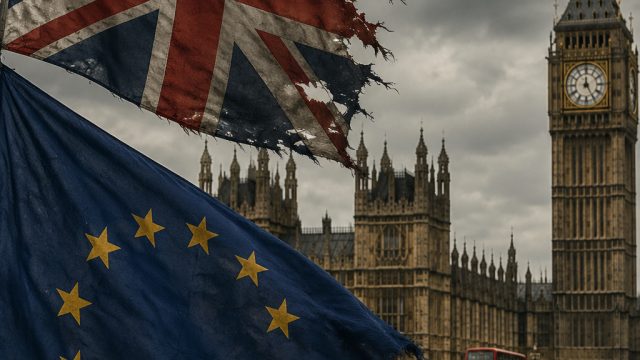
As the United Kingdom marks a decade since its departure from the European Union, the reverberations of Brexit remain profoundly felt across the political spectrum. This significant milestone invites reflection on the implications of the decision to leave the EU and its ongoing effects on the governance and social fabric of the country.
The Initial Promise of Brexit
When the referendum was held in June 2016, promises of newfound sovereignty and economic independence swayed many voters. Proponents envisioned a UK free from EU regulations, believing it would pave the way for lucrative trade deals, heightened national pride, and a more robust economy. However, the outcome has not unfolded as anticipated for many.
Economic Realities
- Trade Barriers: Post-Brexit trade agreements have introduced complexities, leading to increased costs for businesses and consumers alike.
- Labor Shortages: Sectors that relied heavily on EU labor, such as agriculture and hospitality, have faced significant workforce challenges.
- Investment Fluctuations: Uncertainty in the market has resulted in fluctuating foreign direct investments.
These economic realities highlight the challenges faced by the UK, which many argue have diminished the initial advantages promised during the campaign. The divergence from EU standards has also raised questions about long-term economic growth and stability.
Political Fragmentation and Its Consequences
Brexit has also triggered significant fragmentation within the UK's political parties. The Conservative Party, once unified on its stance regarding the EU, has experienced internal conflicts that have weakened its position. Similarly, the Labour Party has struggled to maintain a consistent narrative regarding its approach to Brexit.
Shifting Public Sentiment
The public's perception of Brexit is shifting as economic hardships intensify. Recent polls indicate a growing number of citizens are questioning the merits of leaving the EU, citing rising living costs and the impact on public services.
The Future of UK Politics
As the UK continues to navigate its post-Brexit landscape, several crucial factors will shape the political environment moving forward:
- Re-negotiation of Trade Agreements: The government will need to engage in re-negotiations to mitigate the adverse effects of Brexit on trade.
- Social Cohesion: Addressing societal divides that have widened in the wake of the referendum will be crucial to fostering unity.
- Revisiting EU Relations: Exploring avenues for closer ties with the EU without full membership may become a focal point.
These elements will be pivotal in determining how the UK reconciles its identity and political structure within a global context.
Conclusion: A Path Forward
The anniversary of Brexit serves as a reminder of the complexities involved in political decision-making and the long-term implications such choices can engender. As the UK stands at this crossroads, it is essential to consider how to move forward constructively. The discussions surrounding Brexit are far from over, and the actions taken in the coming years will significantly shape the country’s future.
In these uncertain times, staying informed and engaged with political developments is vital. The narrative of Brexit will continue to evolve, and it remains crucial for businesses and citizens alike to adapt to the changing landscape.
