




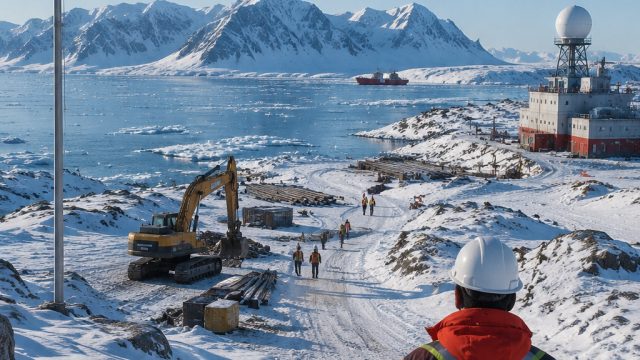
In a move that underscores its commitment to bolstering the economy and enhancing connectivity in the northern territories, the Canadian government is set to announce the designation of two pivotal road infrastructure projects as national interests today. This significant decision, anticipated to be unveiled at a press conference in Yellowknife, highlights the government's strategy to encourage economic development while addressing the pressing need for improved transportation in remote regions.
Unlocking Economic Potential in the Arctic
The projects on the agenda include the Grays Bay road and port initiative in Nunavut and the Mackenzie Valley highway project in the Northwest Territories. Together, these projects aim to facilitate access to vital resources and enhance the quality of life for residents. As the demand for critical minerals surges globally, especially for industries like technology and renewable energy, the timing of this announcement is crucial.
Grays Bay Road and Port Project
- Route: A proposed 230-kilometre all-season road connecting the existing transportation infrastructure.
- Benefits: Unlocks mining opportunities for critical minerals, fostering economic growth in the region.
- Impact: Expected to create jobs and stimulate local economies through improved access.
Mackenzie Valley Highway Initiative
- Route: An all-season road linking Yellowknife to Inuvik.
- Benefits: Reduces travel times significantly, enhancing mobility for communities currently reliant on air or seasonal road access.
- Impact: Improved accessibility will bolster local businesses and enhance emergency response capabilities.
The Importance of Infrastructure in Economic Development
Infrastructure development is a cornerstone of economic advancement, particularly in underserved areas like the Arctic. The new road projects aim to create a more integrated economy by connecting isolated communities, making them more attractive for investment. This is a direct response to the increased interest in the extraction of critical minerals, which are essential for manufacturing a range of products in today’s technology-driven world.
Broader Economic Implications
The designation of these infrastructure projects as national interests signifies a shift in governmental priorities, aiming to support sustainable growth in the Arctic. As the world moves toward greener technologies, the demand for critical minerals such as lithium, cobalt, and nickel is expected to rise. Canada, with its vast northern resources, stands to gain immensely from this trend.
Addressing the Challenges Ahead
While the announcement is certainly a step in the right direction, several challenges remain. Constructing roads and related infrastructure in Arctic conditions poses logistical hurdles, including extreme weather and remote geography. Moreover, engaging local communities and ensuring that the benefits of such projects reach indigenous populations will be critical to their success.
Community Engagement and Sustainable Practices
- Involvement: Local and indigenous communities must be engaged throughout the planning and construction phases.
- Environmental Considerations: Projects must adhere to sustainable practices to minimize ecological impact.
- Job Creation: Prioritizing local hiring can help ensure economic benefits stay within the community.
Conclusion: A Future-Focused Initiative
The imminent announcement regarding the Grays Bay and Mackenzie Valley road projects marks a pivotal moment for Arctic infrastructure and economic strategy in Canada. By prioritizing these initiatives, the government not only aims to improve access and connectivity but also positions the country as a key player in the global race for critical minerals. The path forward will require careful navigation of environmental, logistical, and community challenges, but the potential for transformative economic growth is undeniable. As Canada embraces this new phase of development, the eyes of the world will be watching closely.
