




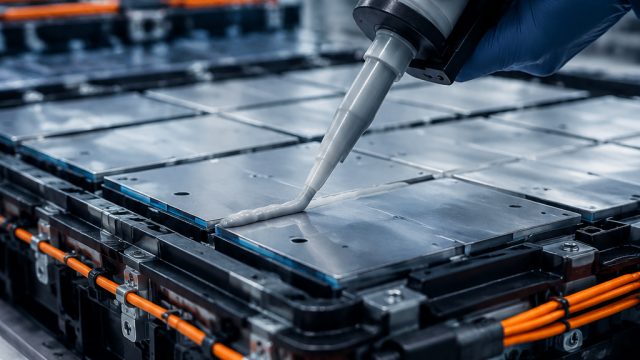
The electric vehicle (EV) market is experiencing rapid growth, which is driving innovation in various components, including battery cooling systems. One of the key advancements is the development of high-thermal-conductivity gap-fill adhesives. These materials are critical for ensuring efficient thermal management in EV batteries, helping to enhance performance and longevity. As the EV industry shifts towards more sustainable practices, understanding the trends in adhesives is more crucial than ever.
The Importance of Thermal Management in Electric Vehicles
Effective thermal management is vital for the performance of electric vehicles. Batteries generate significant heat during operation, and without proper cooling, they can suffer from reduced efficiency and lifespan. High-thermal-conductivity adhesives play a crucial role in maintaining optimal temperatures by efficiently transferring heat away from battery cells.
Challenges in EV Battery Cooling
- Heat generation during charging and discharging cycles
- Environmental factors affecting battery temperature
- Integrating lightweight materials without compromising performance
Market Trends Driving Adhesive Innovation
Several trends are currently shaping the market for high-thermal-conductivity adhesives. As automakers increasingly prioritize battery efficiency and sustainability, these trends highlight why now is an ideal time for businesses to engage in this sector.
1. Increased Demand for Electric Vehicles
The global push towards reducing carbon emissions has led to a surge in EV production. As manufacturers race to meet consumer demand, the need for advanced thermal management solutions becomes paramount. High-thermal-conductivity adhesives enable manufacturers to design batteries that can withstand higher temperatures without compromising safety or efficiency.
2. Technological Advancements
Recent innovations in adhesive formulations have resulted in materials that not only offer superior thermal conductivity but also enhanced adhesion properties. These advancements allow for thinner designs and reduced weight, crucial for improving overall vehicle efficiency.
3. Sustainability Initiatives
With the automotive industry focusing on sustainability, manufacturers are increasingly opting for eco-friendly adhesive options. The development of biodegradable adhesives that maintain high-performance standards is gaining momentum, making it a vital area for research and investment.
Key Players in the Adhesive Market
Several key players are leading the charge in the production of high-thermal-conductivity adhesives. Understanding who these innovators are can provide valuable insights into potential partnerships and market opportunities.
Leading Manufacturers
- Company A – Pioneering in advanced adhesive technologies
- Company B – Known for their eco-friendly adhesive solutions
- Company C – Specialists in thermal management materials
Partnerships and Collaborations
Many companies are forming strategic partnerships to enhance their adhesive technologies. Collaborations between adhesive manufacturers and automotive companies are driving innovation, resulting in better-performing products that cater specifically to the needs of modern EVs.
The Future of Thermal Adhesives in EVs
As the EV market continues to expand, the role of high-thermal-conductivity adhesives will only become more significant. With advancements in technology and a focus on sustainability, the future looks promising for these materials.
Emerging Opportunities
- Research and development into next-generation adhesive solutions
- Expansion into emerging markets with growing EV demands
- Integration of smart materials in adhesive products
Conclusion
In conclusion, high-thermal-conductivity adhesives are set to play a pivotal role in the future of electric vehicle battery cooling systems. The interplay of market demand, technological advancements, and sustainability initiatives creates a unique landscape that businesses must navigate. Companies engaged in the production of these adhesives can capitalize on emerging trends and opportunities, ultimately contributing to a more efficient and sustainable automotive industry. For those looking to stay ahead in the B2B wholesale export market, now is the time to explore these innovations and their potential.
