




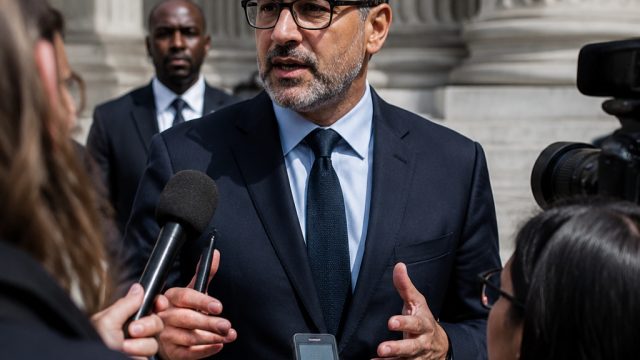
Recent Developments in DOJ's Stance on Journalist Subpoenas
The landscape of press freedom has recently encountered a significant shift as the U.S. Department of Justice (DOJ) made headlines with its attempts to compel journalists from major news outlets to testify before a grand jury. This situation has ignited discussions around the implications for both the right to free press and the responsibilities of those who document national security issues.
Understanding the Subpoena Controversy
Initially, the DOJ issued subpoenas targeting journalists from The Washington Post and The Wall Street Journal. These subpoenas were aimed at compelling these reporters to disclose their sources and testimony related to sensitive national security matters. However, in a surprising turn of events, the DOJ later withdrew these subpoenas, raising questions about the administration's approach to press freedom.
Why It Matters for Journalism
Press freedom is a fundamental pillar of democracy, enabling journalists to report on matters of public interest without fear of retribution. The DOJ's actions—issuing and retracting subpoenas—highlight the precarious balance between national security interests and the rights of journalists. Here are several key points to consider:
- Chilling Effect: The initial action to subpoena journalists could create a chilling effect, deterring reporters from covering sensitive topics.
- Accountability: Transparency in government actions is essential. Investigative journalism often relies on confidential sources, which are crucial for uncovering the truth.
- Public Trust: Trust in media is built on the ability of journalists to operate free from coercion. Actions perceived as threatening to this freedom can undermine public confidence.
Historical Background
This recent incident isn't isolated. Historical precedent shows fluctuations in the treatment of journalists by government entities, especially during times of national tension. It resonates with past administrations' attempts to control media narratives, particularly concerning national security and foreign policy. A notable example occurred during the Trump administration, where legal actions targeted journalists covering Iran, indicating a concerning trend toward increased governmental scrutiny of the press.
Implications for Future Reporting
The implications of the DOJ's actions extend beyond immediate press freedoms. As the media landscape evolves, with the rise of digital platforms and social media, the relationship between journalists and government is increasingly scrutinized. Here are some potential long-term effects:
- Shift in Reporting Strategies: Journalists may adopt more cautious reporting strategies, avoiding sensitive subjects that could lead to legal repercussions.
- Increased Advocacy: Media organizations might ramp up advocacy efforts to secure protections for journalists and ensure their sources remain confidential.
- Public Awareness: Events like these can lead to greater public awareness and discussions regarding the importance of press freedom in a democracy.
Conclusion: The Path Forward
The DOJ's recent actions serve as a reminder of the ongoing tensions between government authorities and the press. The withdrawal of subpoenas may signal a temporary retreat from aggressive legal tactics, but it also underscores the need for ongoing vigilance. Journalists, media organizations, and the public must remain alert to safeguard the fundamental rights that allow for a free and open society. As this story develops, it will be essential to monitor how it shapes future interactions between the media and governmental bodies, ensuring that the principles of press freedom are upheld for generations to come.
