




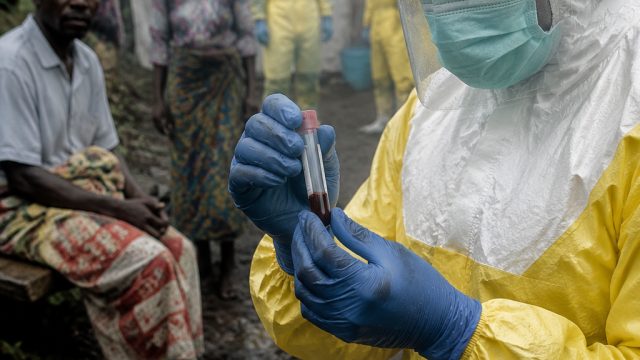
The Democratic Republic of the Congo is facing a severe health crisis as the number of reported Ebola cases has now surpassed 1,000. This alarming figure comes with grave implications, particularly for the vulnerable population of children and adolescents in the region. As international organizations like UNICEF raise the alarm, it is imperative to understand the broader implications of this outbreak and the urgent actions required to safeguard public health.
Understanding the Current Situation
According to the World Health Organization (WHO), this recent outbreak has reached the highest first-month total seen in any previous Ebola epidemic. The deadly virus, primarily transmitted through direct contact with bodily fluids, poses an increased risk not only to adults but significantly endangers the younger population, with nearly 3 million children and adolescents in eastern DRC facing potential health threats.
Why This Matters Now
The rapid spread of Ebola, coupled with the ongoing instability in the region, has created a perfect storm for a health emergency. The convergence of humanitarian crises, economic challenges, and public health setbacks necessitates immediate intervention and vigilance.
- Increased Vulnerability: Children, who often lack access to healthcare, are at a heightened risk of infection.
- Healthcare Infrastructure Strain: The outbreak has placed immense pressure on an already fragile healthcare system.
- Community Awareness: Public understanding of Ebola transmission and prevention methods is critical.
The Role of UNICEF and Other Organizations
UNICEF and other health organizations are mobilizing resources to combat the outbreak and provide essential services to affected communities. Their efforts include:
- Education Campaigns: Informing communities about Ebola symptoms and prevention.
- Vaccination Drives: Administering vaccines to at-risk populations to curb the spread of the virus.
- Healthcare Support: Providing medical supplies and personnel to overwhelmed health facilities.
Global Response and Collaboration
Addressing the Ebola outbreak in the DRC requires a coordinated international response. Governments, NGOs, and health agencies must work together to ensure adequate funding and resources are available to contain the virus. This includes:
- Funding Initiatives: Securing financial support to enhance healthcare readiness.
- Sharing Best Practices: Learning from previous outbreaks to implement effective containment strategies.
- Strengthening Surveillance: Enhancing monitoring systems to quickly identify and respond to new cases.
Community Engagement and Preparedness
Active community participation is crucial in the battle against Ebola. Local leaders play a vital role in disseminating information and fostering cooperation among residents. Steps communities can take include:
- Awareness Workshops: Conducting sessions to educate families about the risks associated with Ebola.
- Encouraging Health-seeking Behaviors: Promoting timely medical consultations for symptoms related to the virus.
- Support Networks: Establishing systems to support affected families during outbreaks.
What Lies Ahead
The road to recovery for the DRC is fraught with challenges, but with a unified approach, there is hope. As the situation evolves, continuous monitoring and adaptation to emerging trends are essential. By focusing on both immediate relief and long-term strategies, stakeholders can work towards a safer future for the millions at risk.
Conclusion
The escalation of Ebola cases in the Democratic Republic of the Congo serves as a stark reminder of the vulnerabilities within global health systems, particularly in regions already beset by challenges. As organizations rally to combat this outbreak, the need for vigilance, education, and comprehensive response strategies has never been more critical. The time to act is now, as millions of lives hang in the balance.
