




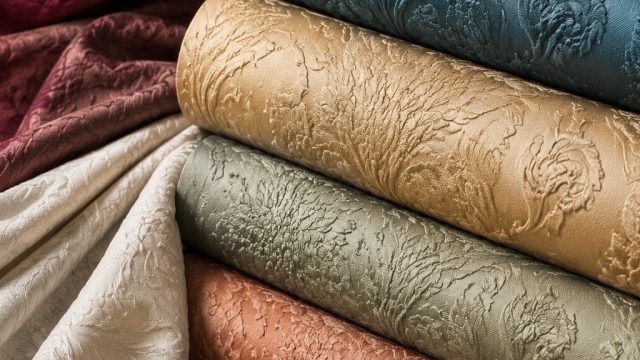
The embossed polyester fabric market is experiencing a significant surge, driven by evolving consumer preferences and technological advancements. As we enter 2023, industry stakeholders must pay close attention to these developments, which not only reflect shifts in market dynamics but also open up new avenues for B2B wholesale exports.
Current Market Landscape
Recent research highlights that embossed polyester fabric is gaining traction in various sectors, including fashion, automotive, and home décor. The unique texture and durability of this fabric make it an attractive choice for manufacturers looking to enhance product offerings. Here are some key statistics driving this growth:
- Increasing Demand: The demand for embossed polyester fabric is projected to grow at a compound annual growth rate (CAGR) of over 8% by 2025.
- Diverse Applications: From stylish clothing to upholstery, its versatility is appealing to a wide array of industries.
- Technological Innovations: Advances in manufacturing processes are reducing production costs, further stimulating market growth.
Why This Matters Now
With the rise of eco-conscious consumers and the push for sustainable practices, the introduction and popularity of embossed polyester fabric can not be overstated. Companies looking to adapt to these trends must consider the implications for their supply chains and product designs. Here’s why the timing is crucial:
1. Sustainability Focus
As businesses strive to meet sustainability goals, embossed polyester fabric made from recycled materials can offer a green alternative that does not compromise on quality. Companies that embrace these materials position themselves as leaders in sustainability.
2. Market Opportunities
The growing market for customized and high-quality fabrics presents an opportunity for B2B wholesalers. Engaging with manufacturers who produce embossed polyester fabrics can help you tap into lucrative distribution channels.
Embracing Innovation in Fabric Production
The evolution of the textile industry has been heavily influenced by technology. Innovations such as digital printing and automated production lines are enhancing efficiency and reducing waste. Here are some notable trends:
- Digital Printing: This technology allows for intricate designs on embossed fabrics without excessive resource use.
- Smart Textiles: Incorporating technology into fabric, such as moisture-wicking and temperature regulation, is becoming a standard expectation.
- Recycling Initiatives: Companies are increasingly focusing on sustainable sourcing, utilizing recycled plastics to produce embossed fabrics.
Investing in the Future
For businesses in the B2B wholesale export sector, investing in relationships with manufacturers of embossed polyester is crucial. By securing partnerships with leading suppliers, companies can ensure access to the latest trends and innovations in the fabric market. As the demand continues to rise, being ahead of the curve will set your business apart.
Conclusion
The embossed polyester fabric market is not just a passing trend; it represents a significant shift in consumer and manufacturer behavior towards quality and sustainability. As we move through 2023, businesses that recognize these changes and adapt accordingly will find themselves well-positioned for success in this dynamic landscape.
