




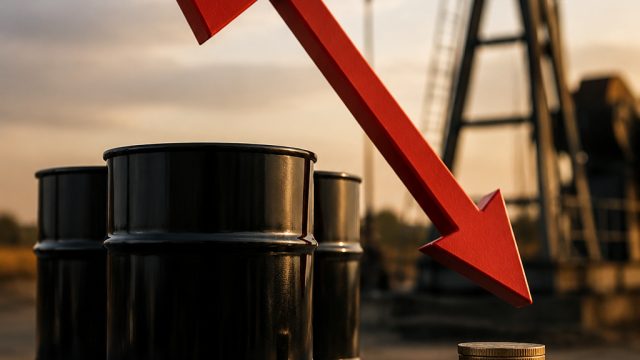
As the global economy navigates through unpredictable waters, the European Central Bank (ECB) is focusing on maintaining price stability as a primary objective. Recent comments from ECB Governing Council member Ante Zigman emphasize that the falling oil prices could significantly aid the institution's efforts to manage inflation effectively. This situation is particularly pressing given the ongoing challenges faced by economies worldwide.
The Role of Oil Prices in Inflation Dynamics
Oil prices serve as a crucial barometer of economic health, impacting everything from consumer spending to manufacturing costs. The recent declines in oil prices are projected to have a ripple effect throughout the economy, creating both opportunities and challenges.
Why Falling Oil Prices Matter Now
The current decrease in oil prices is not merely a market fluctuation; it is a vital development for several reasons:
- Cost Reduction: Lower oil prices typically result in lower transportation and production costs, which can lead to reduced prices for consumers.
- Consumer Confidence: When consumers save money on fuel, they are likely to spend more in other areas, boosting overall economic activity.
- Global Markets: Oil price reductions impact international trade dynamics, influencing currency valuations and import-export balances.
ECB's Strategies for Inflation Management
To tackle inflation effectively, the ECB has laid out several strategies that can be bolstered by the current trends in oil prices:
1. Interest Rate Adjustments
One of the primary tools within the ECB’s arsenal is the adjustment of interest rates. By lowering rates, the Bank can encourage borrowing and spending, stimulating economic growth.
2. Quantitative Easing
Additionally, quantitative easing measures can be employed to inject liquidity into the market. With cheaper oil contributing to lower overall inflation rates, the ECB may find itself in a position to enhance these measures without fearing runaway inflation.
3. Communication Strategies
Effective communication regarding monetary policy can also shape public expectations. Clear messaging about the benefits of lower oil prices may help stabilize market sentiments.
Long-Term Implications of Price Stability
Maintaining price stability is crucial for fostering a predictable economic environment. Here are a few long-term advantages of achieving this goal in the current climate:
- Investment Growth: Stable prices encourage both domestic and foreign investments, as businesses can operate with greater certainty.
- Employment Stability: As businesses grow, they are likely to hire more employees, thereby reducing unemployment rates.
- Social Welfare: Lower inflation leads to improved purchasing power for consumers, enhancing overall social welfare.
Conclusion: A Collaborative Approach Is Essential
As the ECB navigates the complexities of controlling inflation, the current trend of falling oil prices presents a timely opportunity for effective economic strategies. Policymakers must remain vigilant and adaptable to maximize the benefits of these developments. By fostering a collaborative approach among governments, businesses, and consumers, Europe can work towards a more stable economic future. Understanding the relationship between oil prices and inflation can empower stakeholders to make informed decisions that contribute to overall growth and resilience.
