




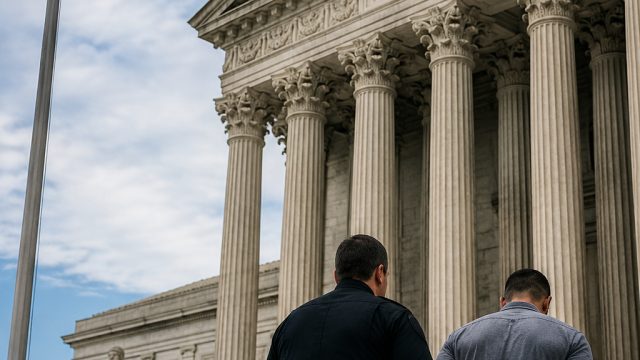
In a significant legal development, a federal judge has issued a ruling that restricts the ability of Immigration and Customs Enforcement (ICE) to conduct arrests within immigration courts. This decision, stemming from a class-action lawsuit filed in California, is poised to affect immigration courts across the United States and reshape the landscape of immigration enforcement.
The Context of the Ruling
The ruling comes amid growing concerns regarding the rights of individuals navigating the U.S. immigration system. Advocates argue that ICE's presence in courts can create an atmosphere of fear, deterring individuals from seeking legal recourse or attending their hearings. The class-action lawsuit highlighted these issues, prompting the court to take action.
Key Points from the Ruling
- The judge has determined that ICE cannot make arrests in immigration court without prior notice to the court.
- Judicial officials are now required to be informed of ICE's intentions to conduct any arrests in their proceedings.
- This ruling is applicable nationwide, impacting all federal immigration courts.
Implications for Immigration Policy
This landmark decision could have far-reaching implications on immigration enforcement policies. By limiting ICE's reach within the courts, the ruling aims to foster a fairer process for individuals seeking to navigate their immigration status. Experts suggest that the decision might encourage more individuals to come forward, thereby allowing them to participate fully in their legal processes without fear of immediate arrest.
What This Means for Immigrants
For many immigrants, the courtroom experience can be daunting, especially when the threat of ICE looms large. This ruling is seen as a victory for immigrant rights advocates who have long argued that such practices undermine justice.
- Increased participation in legal proceedings.
- Reduced fear among immigrants regarding court appearances.
- Potential for more favorable outcomes in immigration cases.
Next Steps for Legal Practitioners
Legal professionals operating within the immigration field will need to adapt to these new regulations. Understanding the specifics of this ruling and effectively communicating its implications to clients will be crucial. Some immediate steps may include:
- Updating legal strategies to account for the new limitations on ICE.
- Educating clients about their rights in light of the ruling.
- Engaging in advocacy to promote further reforms in immigration policy.
Potential Challenges Ahead
While the ruling has been celebrated by many, challenges are likely to arise. ICE may seek to appeal the decision, or states may implement their own measures that could complicate the overall enforcement landscape. Furthermore, the ruling may lead to increased scrutiny of immigration court processes, prompting further legal challenges in the future.
Conclusion
The recent federal court ruling serves as a pivotal moment for immigration courts across the United States. As the legal landscape continues to evolve, stakeholders must remain vigilant and proactive. This ruling not only enhances the rights of individuals within the immigration system but also calls into question the practices of federal agencies like ICE. For those involved in immigration law, staying informed and adaptable is now more important than ever.
