




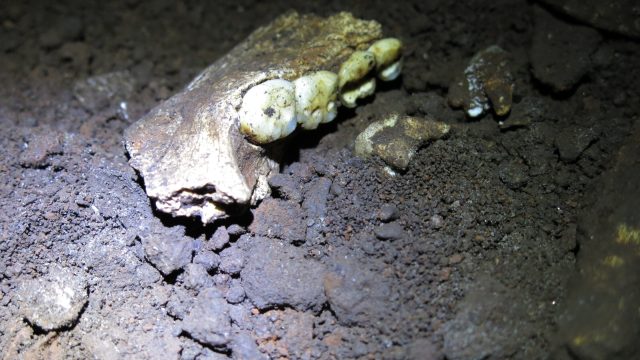
Recent advancements in paleoproteomics have unveiled significant insights into the genetic makeup of Homo naledi, a species that has intrigued researchers since its discovery in Rising Star cave. A new study analyzing the dental proteins of twenty individuals from this site reveals compelling details about their sex distribution, genetic variability, and what it means for our understanding of early human relatives.
The Significance of Dental Proteins
Dental proteins serve as a remarkable window into the lives of ancient species. Unlike mitochondrial DNA, which can degrade quickly, proteins maintain integrity over time, providing valuable data even from skeletal remains that are thousands of years old. This recent study focuses specifically on the dental proteomics of Homo naledi, aiming to answer questions about its population dynamics.
Key Findings from the Study
- No Male Markers Detected: Surprisingly, the analysis found no indicators of male individuals within the studied group.
- Limited Genetic Variation: The lack of genetic diversity raises questions about the breeding patterns and population structure of Homo naledi.
- Implications for Evolutionary Biology: These findings challenge previous assumptions about social structures and reproduction in early human species.
Why Does This Matter Now?
Understanding the genetic configuration of early human relatives like Homo naledi is crucial in the context of human evolution. The revelations from this study prompt us to reconsider the dynamics of ancient human populations and their complexities. With ongoing debates about our evolutionary lineage, these findings could shift perspectives significantly.
Broader Implications for Ancient Human Studies
Paleoproteomics not only helps in understanding specific species but also offers insights into the evolution of traits shared among early humans. It raises essential questions:
- How did social structures develop among early hominins?
- What does the genetic uniformity or variability indicate about their adaptability?
- Could Homo naledi have coexisted with other hominin species, and if so, what was the nature of that interaction?
Linking Past to Present
The implications of these findings extend beyond the realm of ancient history. In today’s world, understanding genetic diversity and its effects on survival can inform various fields, including medicine, conservation, and even climate adaptation strategies. Just like how certain games and strategies evolve over time, such as satu permainan kartu or modern adaptations of chess, our understanding of human history evolves with each new discovery.
The Future of Paleoproteomics
As techniques in paleoproteomics advance, we may soon uncover more about Homo naledi and other ancient species. With researchers gaining access to more sophisticated tools, the future looks promising for unraveling the mysteries of our ancestors. Just as players in a game strategize their next moves, researchers are continuously piecing together data to solve the puzzles of human origin.
Conclusion
The recent findings regarding Homo naledi’s dental proteins from the Rising Star cave underscore the importance of ongoing research in our understanding of human evolution. By recognizing the patterns and implications of genetic data, we can gain deeper insights into the lives of our ancient relatives. As we uncover more about species like Homo naledi, we not only learn about our past but also enhance our understanding of genetic diversity and its relevance today.
