




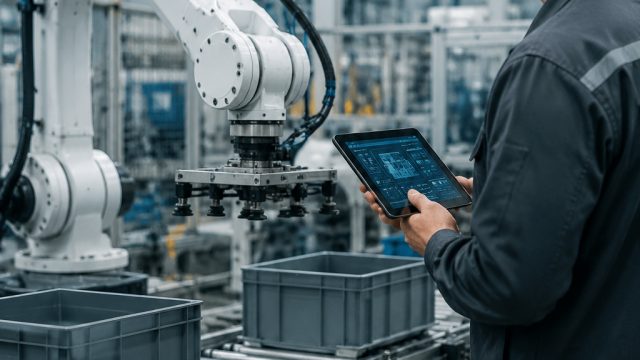
As companies strive to navigate an increasingly complex industrial landscape, Honeywell's strategy in industrial automation emerges as a beacon of innovation and opportunity. With advancements in technology and a keen focus on efficiency, Honeywell is not just following trends; it's setting them. This article explores the current landscape of industrial automation, examining Honeywell's pivotal role and the implications for businesses today.
The Current State of Industrial Automation
Industrial automation is at a critical juncture, driven by rapid technological advancements and a pressing need for operational efficiency. Manufacturers across various sectors are re-evaluating their systems and processes to stay competitive. Automation technologies are being integrated at an unprecedented rate, helping businesses reduce costs and improve productivity.
Market Demand and Technological Innovation
The demand for automation solutions is surging, with market analysts predicting continued growth in the coming years. Key drivers include:
- Cost Efficiency: Automation reduces labor costs and minimizes errors, leading to significant savings.
- Enhanced Productivity: Automated systems operate continuously, increasing output without a proportional rise in costs.
- Quality Control: Advanced technologies ensure consistent quality and precision in production.
Honeywell's Strategic Innovations
Honeywell has made a name for itself in the industrial sector by investing heavily in research and development. Their commitment to innovation is evident in their diverse portfolio of automation solutions, which cater to various industries, including manufacturing, logistics, and energy.
Diverse Product Offerings
With a focus on versatile and scalable solutions, Honeywell provides:
- Advanced Control Systems: These systems streamline operations, allowing for real-time adjustments and increased responsiveness.
- Data Analytics Tools: By leveraging data, Honeywell's tools help companies make informed decisions and predict maintenance needs.
- Safety Solutions: Ensuring worker safety remains a priority, with products designed to reduce risks in hazardous environments.
Impact on the Industry and Future Outlook
Honeywell’s proactive strategy in industrial automation not only positions it as a market leader but also influences industry standards. As companies increasingly adopt automation, the ripple effects on productivity, cost savings, and workforce dynamics are profound.
Preparing for Market Shifts
As the industrial landscape evolves, businesses must prepare for shifts in market dynamics. Key considerations include:
- Adoption of New Technologies: Integrating the latest technologies can provide a competitive edge.
- Training and Development: Investing in workforce training ensures employees can effectively utilize new automation systems.
- Partnerships and Collaborations: Aligning with technology providers like Honeywell can facilitate smoother transitions to automated solutions.
Conclusion: Embracing the Future of Automation
In conclusion, Honeywell's innovative approach to industrial automation is not just reshaping their business model but also influencing the entire industry. As companies look to the future, embracing automation will be crucial for maintaining competitiveness. With Honeywell as a key player in this transformation, businesses have the opportunity to leverage advanced technologies to enhance efficiency, productivity, and overall success. The time to invest in automation is now, as the benefits are clear and immediate.
