




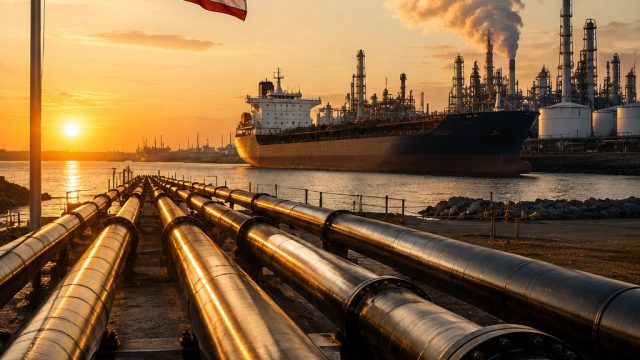
The recent decision by the United States to lift sanctions on Iranian oil sales marks a significant shift in the global energy landscape. This move is poised to unlock billions in revenue for Tehran and reshape energy dynamics not only in Asia but throughout the world. With current geopolitical tensions and energy supply challenges, understanding the implications of this development is crucial for industries and businesses relying on stable energy sources.
The Context of Sanction Relief
For years, U.S. sanctions have severely restricted Iran's ability to sell oil, which has been a significant factor in its economy. Recent negotiations surrounding a potential peace deal have led to these sanctions being relaxed, thereby allowing Iranian oil to re-enter the global market. This change is particularly relevant given that Iran has been actively looking to re-establish its relationship with Asia's major oil importers.
Why Does This Matter Now?
- Increased Oil Availability: The lifting of sanctions will likely lead to a surge in oil supply, which can help stabilize prices affected by global uncertainties.
- Competitive Pricing: Iranian oil is expected to be offered at competitive rates, potentially affecting oil prices worldwide, which can benefit consumer markets.
- Geopolitical Dynamics: Enhanced Iran-Asia relations could shift power balances within the region, impacting global trade routes and partnerships.
The Response from Asian Markets
Asian countries are already gearing up to capitalize on the influx of Iranian oil. Major importers, such as China and India, are likely to lead the demand, seeking to secure favorable deals. This is crucial for Asia's energy security, especially amid rising energy needs and fluctuating prices influenced by external factors.
Potential Partnerships and Trade Agreements
As Iranian oil becomes more accessible, we can expect a flurry of trade agreements and partnerships between Iran and Asian nations. This could involve:
- Long-term contracts for oil supplies
- Joint ventures in oil refining and distribution
- Collaborations in energy infrastructure development
These collaborations will not only benefit Iran economically but also help Asian countries diversify their energy sources, enhancing overall energy security.
Implications for Global Oil Prices
The re-entry of Iranian oil into the market is likely to influence global oil prices significantly. Analysts predict that the increased supply could lead to downward pressure on prices, which has implications for various sectors, from transportation to manufacturing.
Market Predictions and Trends
- Short-term fluctuations in oil prices as markets adjust to the influx of Iranian oil.
- Long-term stabilization if Iranian oil exports become consistent and reliable.
- Potential impacts on oil-dependent industries, which may see reduced costs and improved profitability.
Broader Economic Consequences
The lifting of sanctions not only affects oil prices but also has broader economic consequences. Increased revenue for Iran could lead to enhanced spending in various sectors, potentially affecting global trade flows.
Opportunities for Businesses
Businesses in the energy sector and related industries should prepare for the evolving landscape. Key opportunities include:
- Investing in technologies for efficient sourcing and distribution of oil.
- Developing strategies to mitigate risks associated with fluctuating oil prices.
- Exploring partnerships with Iranian firms for joint ventures in energy projects.
With changing market dynamics, businesses will need to adapt quickly to maintain a competitive edge.
Conclusion: A New Era in Energy Cooperation
The recent U.S. decision to lift sanctions on Iranian oil sales represents a transformative moment in the global energy sector. As Iranian oil begins to flow into Asian markets, both opportunities and challenges will emerge. For businesses, understanding these shifts will be vital in navigating the new landscape. Keeping an eye on developments in this area will be essential for making informed decisions in the coming months.
