




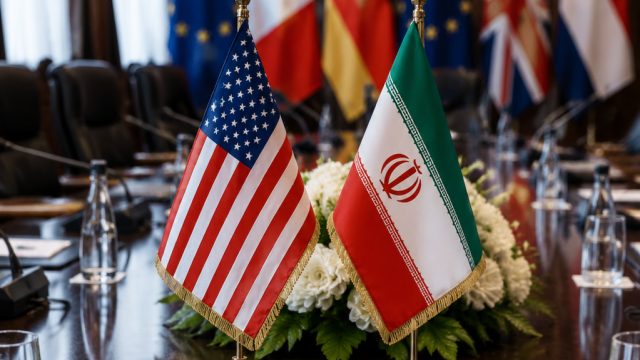
In a significant turn of events, U.N. inspectors are now set to return to Iran’s nuclear facilities, marking a pivotal moment in U.S.-Iran relations. This development comes amidst a backdrop of fluctuating diplomatic engagements and heightened scrutiny over Iran's nuclear ambitions. As global tensions rise, understanding the nuances of this situation is more critical than ever.
The Context of Nuclear Inspections
Recent statements from Iran suggest a complex relationship with international nuclear oversight. The U.S. has been vocal about the necessity of rigorous inspections, yet Iran has maintained a careful stance, denying any new commitments to such measures. This ongoing dialogue underlines the intricacies of diplomacy in a high-stakes environment, where trust is often as elusive as concrete agreements.
Importance of U.N. Oversight
The role of U.N. inspectors is crucial in ensuring compliance with nuclear treaties. Their presence serves not only as a mechanism for verification but also as a stabilizing force in an often tumultuous geopolitical landscape. Here are some key reasons why these inspections matter:
- Transparency: Inspections facilitate transparency in nuclear capabilities, helping to assuage fears of weapons proliferation.
- Trust-building: Regular oversight can foster trust between nations, paving the way for more fruitful negotiations.
- Compliance Monitoring: They help ensure that nations adhere to international agreements, which is vital for global security.
The Diplomatic Landscape
The current dynamics between the U.S. and Iran are a reflection of broader geopolitical shifts. The Biden administration has signaled a willingness to engage in dialogue, aiming to restore the framework of the 2015 nuclear agreement. However, Iran’s steadfast denial of making any concessions complicates this diplomatic dance.
Recent Developments
As diplomatic engagements unfold, here are a few notable developments:
- U.S. officials have expressed optimism about the potential for renewed talks.
- Iran has emphasized its right to nuclear development, asserting it is for peaceful purposes.
- International reactions vary, with some allies supporting continued pressure on Iran.
Why This Matters Now
The implications of these inspections extend beyond Iran and the U.S. The global community is watching closely, as nuclear proliferation remains a key concern. The stakes are high, particularly given the current geopolitical tensions, which include conflicts in the Middle East and the broader repercussions of nuclear advancements.
Potential Consequences
The return of U.N. inspectors could lead to several outcomes:
- Enhanced security: With inspections in place, the likelihood of unchecked nuclear development may decrease.
- Diplomatic breakthroughs: A willingness to cooperate may lead to further negotiations and an eventual resolution.
- Increased tensions: Conversely, if inspections reveal non-compliance, it could escalate tensions and lead to stronger sanctions.
Conclusion: A Path Forward?
As we navigate this critical juncture in U.S.-Iran relations, the outcome of these inspections and subsequent negotiations will likely set the tone for future interactions. The return of U.N. inspectors is not merely a procedural matter but a significant step towards addressing one of the most pressing challenges of our time: ensuring a secure and stable world free from the threat of nuclear proliferation. Staying informed and engaged in these developments is vital, as they may shape the global political landscape for years to come.
