




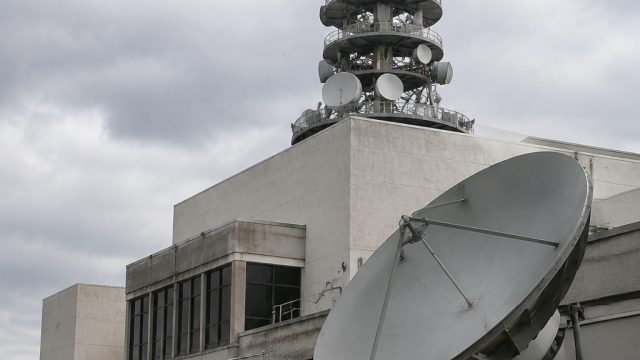
The San Francisco television landscape is buzzing with uncertainty as KGO-TV, the local ABC affiliate, finds itself under scrutiny from the Federal Communications Commission (FCC). As the situation develops, it raises critical questions about media regulation and the future of local broadcasting in a rapidly changing media environment.
The Background: Why KGO-TV is Under Fire
KGO-TV's challenges stem from a combination of regulatory issues and allegations of partiality in news reporting. Recent claims from Republican groups suggest that the station's programming, including popular segments, exhibits overt partisanship. This claim prompted an official inquiry by the FCC, putting KGO-TV's broadcasting license at risk.
Regulatory Oversight and Its Implications
The FCC's role in regulating broadcast licenses is crucial to ensuring a diverse media landscape. Stations must demonstrate their commitment to serving the public interest, and any perceived failure can lead to severe consequences. A potential loss of license for KGO-TV could set a precedent, encouraging other affiliates to scrutinize their editorial policies and programming choices.
Viewer Engagement: The Digital Era's Impact
As controversies unfold, viewer engagement plays a pivotal role. Audiences are increasingly turning to digital platforms for news, and their preferences significantly shape how traditional broadcasters operate. KGO-TV's leadership must navigate this changing landscape while being responsive to viewer feedback to secure their position in the market.
Leveraging Live Chat for Viewer Interaction
- Live chat features, such as those seen on platforms like jayatogel, offer an interactive avenue for audience members to discuss news and share opinions.
- These engagements allow broadcasters to gauge public sentiment and pivot their content strategies accordingly.
- By utilizing live chat, KGO-TV can enhance viewer loyalty and trust, crucial factors in sustaining viewership amidst controversies.
The Broader Picture: Media Landscape in Flux
The KGO-TV case exemplifies a broader trend affecting broadcasters nationwide. As audiences gravitate towards platforms with less regulation and more user-generated content, local stations face pressure to remain relevant. The rise of competitors, including streaming services and social media channels, presents an ongoing challenge for traditional media.
Strategies for Survival in a Competitive Market
To thrive, KGO-TV and similar broadcasters must adopt innovative strategies:
- Diversifying Content: Incorporating a wider variety of programming, including community-focused segments that resonate with local viewers.
- Enhancing Digital Presence: Investing in online platforms and social media to reach a broader audience, echoing successful practices seen in the gaming industry, such as with slots empire.
- Engaging Viewers: Providing interactive features that encourage immediate viewer interaction, similar to live chat functionalities used by popular gambling websites.
Conclusion: The Future of KGO-TV and Local Broadcasting
The outcome of KGO-TV's FCC license review could have far-reaching consequences not only for the station itself but also for the future of local broadcasting. As media consumption patterns continue to evolve, KGO-TV must adapt to ensure it meets the expectations of its audience while navigating regulatory challenges.
In a landscape where every decision counts, KGO-TV's leadership faces the pressing task of redefining its identity to stay relevant and trusted. Only time will tell how this situation will unfold, but one thing is clear: the stakes are high for KGO-TV and similar broadcasters in today's competitive media environment.
