




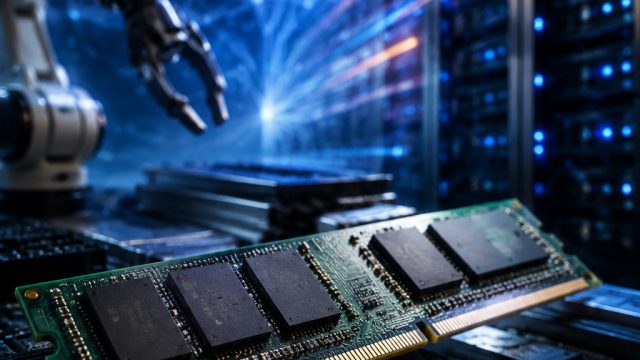
As the technological landscape rapidly evolves, Micron Technology finds itself at a pivotal juncture, grappling with the surging demand for AI-driven memory solutions. This unprecedented surge in the artificial intelligence sector has positioned Micron as a vital player in supplying the necessary memory chips. However, recent market fluctuations have raised questions about the sustainability of this boom and the company’s ability to maintain its momentum.
The AI Boom and Its Implications for Memory Solutions
The artificial intelligence boom is more than just a trend; it represents a significant shift in how industries operate, making high-performance memory a crucial component. Companies across sectors are rapidly integrating AI capabilities, leading to an exponential increase in data processing and storage needs.
Market Demand for Advanced Memory Chips
Micron is responding to this demand by ramping up production of advanced DRAM and NAND flash memory solutions. This is essential for applications such as machine learning, data analytics, and cloud computing. Analysts predict that the growing reliance on AI technologies will necessitate a robust supply of these memory chips in the coming years.
Challenges Ahead for Micron
Despite the optimistic outlook, Micron faces several challenges:
- Market Volatility: Recent dips in Micron’s stock price highlight the volatility within the semiconductor market, which can impact investor confidence.
- Supply Chain Constraints: Ongoing supply chain disruptions and geopolitical tensions could affect production rates and delivery schedules.
- Technological Advancements: Rapid technological advancements require continuous innovation, putting pressure on Micron to stay ahead of competitors.
Investor Sentiment and Future Projections
Investor sentiment surrounding Micron Technology has been mixed. While many analysts remain bullish about the company’s prospects, citing its pivotal role in the AI memory sector, others point to recent performance metrics that raise concerns. For instance, Micron's earnings expectations have seen adjustments, reflecting a cautious approach to future growth.
Comparing Micron with Industry Peers
To contextualize Micron's position, it's essential to compare it with its industry peers. Companies like NVIDIA and AMD are also navigating the AI surge but offer unique products that cater to different segments of the market. This creates a competitive landscape where Micron's success will depend on its ability to effectively market its memory solutions.
Long-term Growth Strategies
To combat challenges and capitalize on opportunities, Micron is implementing several long-term growth strategies:
- Research and Development: Investing in R&D initiatives to innovate memory technologies that cater specifically to AI applications.
- Strategic Partnerships: Forming alliances with leading tech firms to ensure a steady demand for their products.
- Market Expansion: Exploring new markets where AI adoption is increasing, such as healthcare and automotive industries.
Conclusion: The Road Ahead for Micron Technology
As Micron Technology navigates the complexities of the AI memory market, it stands at a crossroads where strategic decisions will determine its future. The surge in demand for memory solutions driven by AI applications presents both opportunities and challenges. By focusing on innovation and adapting to market changes, Micron can position itself as a leader in this dynamic landscape. Stakeholders and investors will be keeping a close eye on how the company responds to these challenges, as its decisions will undoubtedly shape the future of memory solutions in the AI era.
