




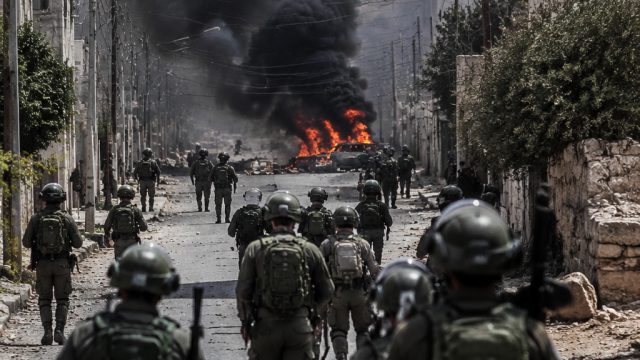
In a troubling incident in the occupied West Bank, violence erupted in the town of Burin, located south of Nablus, where a group of Israeli settlers attacked local Palestinian residents. This alarming act of aggression has not only left several individuals injured but has also reignited concerns regarding the ongoing instability in the region.
The Incident and Its Context
According to local Palestinian sources, the attack occurred on the morning of June 24, when residents were confronted by settlers from the nearby Yitzhar settlement. Among those affected was Ayman Attallah Soufan and his sons, who were reportedly targeted during this unexpected assault. Such incidents are not isolated; they are indicative of a broader pattern of escalating tensions between settlers and Palestinians.
Understanding the Background
The town of Burin has been a focal point of conflict due to its proximity to settlements and the ongoing disputes over land rights. The presence of settlers in the area often leads to friction, and this latest episode reflects the precarious situation in which many Palestinian communities find themselves. The violence also raises critical questions about the safety and security of residents in the West Bank, where clashes have become increasingly frequent.
Implications for Peace in the Region
This recent attack has significant implications for the fragile peace process in the region. As tensions rise, the potential for further violence increases, drawing attention to the urgent need for a resolution to the longstanding Israeli-Palestinian conflict. The situation in Burin underscores the challenges faced by both sides, as violence often begets more violence, complicating efforts towards dialogue and reconciliation.
The Role of International Observers
International observers and human rights organizations have condemned such acts of violence, calling for accountability and protection for vulnerable communities. Their involvement is crucial in mediating conflicts and ensuring that incidents like the one in Burin do not go unchecked. The need for a stable and peaceful environment is paramount for both Palestinians and Israelis, and this recent escalation only highlights the urgency of their calls.
What Happens Next?
As the dust settles in Nablus, the question remains: what steps will be taken to address the escalating violence? Authorities on both sides must engage in meaningful dialogue to de-escalate tensions and protect civilians. Without decisive action, the cycle of violence will likely continue, perpetuating a state of unrest that threatens regional stability.
Calls for Peaceful Resolution
- Community Initiatives: Grassroots movements are working to foster dialogue between settlers and Palestinian residents.
- International Support: Calls for international intervention and support are growing, aiming to safeguard human rights.
- Policy Changes: Both governments need to reconsider policies that contribute to the conflict, focusing on coexistence rather than division.
Conclusion
The recent attack in Nablus serves as a stark reminder of the ongoing volatility in the region. As we witness these events unfold, it is crucial for all stakeholders to prioritize peace and stability. The international community’s role in advocating for a resolution cannot be overstated. By coming together to address these issues, there is hope for a future where both Palestinians and Israelis can coexist peacefully and with mutual respect.
