




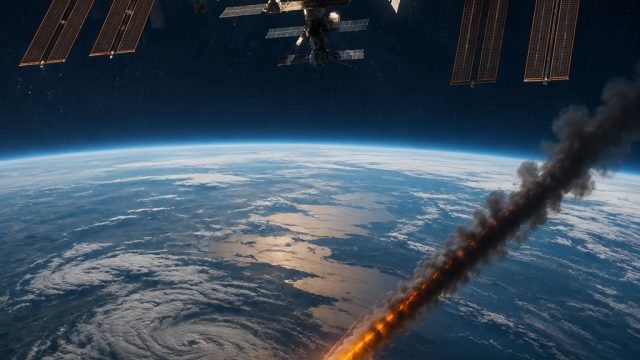
The International Space Station (ISS) has long stood as a beacon of human ingenuity and international cooperation. As plans to deorbit the ISS gain momentum, environmental groups are raising alarm bells about the potential repercussions of this significant endeavor. Scheduled for deorbit in the coming years, the fate of the ISS has ignited discussions that reach beyond the bounds of space exploration, delving into pressing ecological concerns and the health of our oceans.
The Deorbit Process: What You Need to Know
NASA has been transparent about its intentions regarding the ISS. The agency plans to deorbit the station as it reaches the end of its operational life, a process that involves controlled reentry into Earth's atmosphere. However, what many are unaware of are the intricacies of this process and its potential impact on marine environments.
Understanding Controlled Reentry
During the deorbit phase, it is anticipated that various components of the ISS will disintegrate as they enter the atmosphere. Although NASA has outlined safety measures, some experts are concerned about the debris that could fall into oceans, affecting marine ecosystems.
- Portions of the ISS may not fully disintegrate.
- Potential risks to marine life from falling debris.
- Long-term environmental consequences still uncertain.
Environmental Organizations Weigh In
Leading ocean health organizations have voiced their concerns about the implications of the ISS deorbit on marine ecosystems. These groups emphasize that the process could inadvertently introduce pollutants into ocean waters, exacerbating existing issues related to ocean health.
Expert Opinions on Ocean Health Risks
Environmental scientists are analyzing data and conducting studies to better understand the consequences of space debris on ocean habitats. The potential for heavy metals and other hazardous materials to enter the water is a primary concern. Marine biologists warn that even a small amount of contamination could disrupt the delicate balance of ocean life.
Some key insights include:
- Heavy metals from the ISS could affect fish populations.
- Contaminants may disrupt marine food chains.
- The need for thorough environmental assessments is critical.
What Happens Next: The Road Ahead
As the timeline for deorbiting the ISS approaches, stakeholders must consider proactive measures to mitigate potential environmental impacts. Engaging with environmental organizations and ensuring transparency in the deorbit process will be essential in addressing the concerns raised.
Strategies for Mitigation
To alleviate fears and ensure a smooth transition, the following strategies could be implemented:
- Conduct comprehensive environmental impact assessments before deorbiting.
- Develop response plans for potential marine contamination.
- Increase collaboration between NASA and environmental groups.
The Bigger Picture: Space Exploration and Environmental Responsibility
The deorbiting of the ISS is not just a technological challenge but also an opportunity for the space exploration community to underscore its commitment to environmental stewardship. As humanity continues to push the boundaries of exploration, it is vital to ensure that our activities do not undermine the health of our planet.
The Importance of Sustainable Practices
In this context, sustainable practices are paramount. As we embark on the next era of space exploration, integrating environmental considerations into every phase of missions can act as a model for future endeavors, ensuring that we preserve the health of both our oceans and our planet.
Conclusion: Staying Informed and Prepared
As discussions surrounding the ISS deorbit continue to unfold, it is crucial for stakeholders, including policymakers, scientists, and the public, to stay informed. Understanding the complexities of this process and its potential impact on ocean health can foster a collaborative approach to ensure that exploration ventures are conducted responsibly and sustainably. By addressing these concerns head-on, we can pave the way for future advancements that prioritize both innovation and the environment.
