




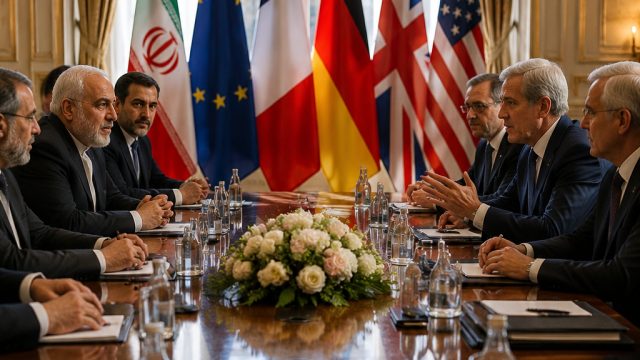
Navigating Diplomatic Challenges: The Current State of Iran Talks
The landscape of international diplomacy is ever-changing, influenced by the dynamic interplay of various geopolitical actors. Recently, discussions surrounding Iran have gained significant attention, particularly due to the contrasting narratives emerging from the U.S. and Iranian officials. These negotiations hold substantial implications for global stability and relations, thus warranting close examination.
The Context of the Ongoing Negotiations
In the context of heightened tensions, these discussions are not just about Iran's nuclear ambitions but also about regional security and economic sanctions. President Trump's assertions regarding the progress of these talks raise questions about the authenticity of the negotiations. He presents a vision of comprehensive agreements, yet the Iranian response appears to challenge this narrative.
The Diverging Narratives
Trump's claims of successful negotiations are met with skepticism as Iranian officials provide contradictory statements. This discrepancy highlights the complexity of international negotiations, where media portrayals can significantly diverge from on-the-ground realities.
- Trump's Perspective: Emphasizes finalized deals and cooperation.
- Iran's Stance: Challenges assertions, indicating a lack of trust in U.S. intentions.
Implications of Misinformation
The consequences of these mixed messages could be profound. Misinformation not only fuels public perception but also affects diplomatic strategies. For instance, stakeholders might be cautious in their engagements, fearing that commitments could quickly unravel.
What This Means for Global Politics
The ramifications extend beyond the immediate diplomatic sphere. As global players watch closely, the potential for escalated tensions increases. Countries may reconsider their positions based on the perceived reliability of diplomatic commitments.
Potential Outcomes of the Negotiations
The future direction of these talks could unfold in several ways:
- Strengthened Alliances: If an agreement is reached, it may foster stronger relations between the U.S. and European allies, enhancing collective security efforts.
- Heightened Tensions: Should negotiations falter, regional instability may rise, prompting other nations to reassess their diplomatic stances.
- Economic Consequences: Ongoing sanctions and economic pressures could escalate, further complicating the situation and impacting global markets.
The Role of Public Perception
Public opinion plays a crucial role in shaping foreign policy decisions. The portrayal of these negotiations in the media and the public reaction to Trump's statements could influence the administration's approach moving forward. As misinformation spreads, the responsibility for transparency is heightened.
The Importance of Accurate Reporting
Accurate and nuanced reporting is essential to inform public discourse. Misconceptions can exacerbate mistrust and lead to further diplomatic complications. As stakeholders navigate this complex landscape, clarity in communication is paramount.
Conclusion: The Path Ahead
In conclusion, the ongoing negotiations with Iran are a critical focal point in international relations, characterized by a web of complexities and contradictions. As we move forward, understanding the implications of diplomatic engagements is essential for fostering a stable global environment. Stakeholders, including governments and citizens, must remain vigilant and informed to effectively navigate the challenges ahead. The coming weeks and months will be pivotal in determining not just the future of U.S.-Iran relations, but the broader geopolitical landscape.
