




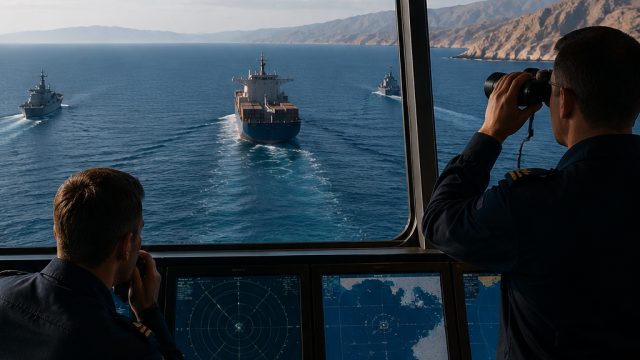
In a significant update for the maritime industry, authorities have announced the initiation of an evacuation plan for vessels stranded in the strategic Strait of Hormuz. This development comes at a time when geopolitical tensions and logistical challenges continue to impact shipping routes, making it essential for businesses involved in international trade to stay informed.
The Importance of the Strait of Hormuz
The Strait of Hormuz is a vital waterway that connects the Persian Gulf with the Arabian Sea, serving as a crucial passage for a substantial portion of the world's oil supply. Approximately 20% of global oil trade transits through this narrow strait, making its security paramount for economic stability. As such, any disruptions in this region could have far-reaching consequences on global markets.
Current Situation and Evacuation Implementation
The maritime organization responsible for coordinating shipping activities in the region has outlined a comprehensive evacuation strategy aimed at ensuring the safety of vessels caught in the turmoil. This plan includes:
- Deployment of rescue vessels to assist stranded ships.
- Provision of safe passages for ships to navigate out of the affected zones.
- Coordination with regional naval forces for enhanced security and support.
With the ongoing challenges in the area, including occasional military confrontations and regional instability, this initiative is timely and necessary. The evacuation process is expected to commence shortly, focusing on safeguarding the lives of crew members and the integrity of cargoes.
Impact on Global Trade and Shipping
As businesses worldwide are increasingly reliant on smooth supply chains, the situation in the Strait of Hormuz poses a significant risk to maritime trade. Delays and disruptions can lead to increased shipping costs and affect the timely delivery of goods. Therefore, the new evacuation plan is not just a reactive measure but a proactive step toward minimizing economic fallout.
Mitigating Risks in Maritime Operations
For companies operating in or relying on shipping routes through the Strait of Hormuz, several strategies can be employed to mitigate the risks associated with potential evacuations:
- Enhanced Communication: Keep open lines of communication with shipping partners to receive real-time updates on the evacuation processes and sea conditions.
- Diversification of Shipping Routes: Consider alternative routes for transporting goods to avoid the Strait of Hormuz if tensions escalate.
- Insurance Coverage: Ensure adequate insurance coverage is in place to protect against losses incurred due to delays or cancellations.
These proactive measures can help businesses navigate the uncertainty surrounding maritime operations during this critical period.
Future Projections and Considerations
Looking ahead, it is essential for businesses involved in maritime trade to remain vigilant. The dynamics in the Strait of Hormuz and surrounding areas are continuously evolving, influenced by geopolitical factors and market demands. Companies should closely monitor developments and be prepared to adapt their strategies accordingly. Furthermore, collaboration with maritime organizations and regional authorities will play an essential role in ensuring safe navigation through these critical waters.
Staying Informed and Prepared
In conclusion, while the announcement of the evacuation plan for ships in the Strait of Hormuz is a necessary step toward securing a vital trade route, it also underscores the need for constant vigilance in maritime operations. Businesses must prioritize risk management and seek to stay informed about the latest developments in the region. By doing so, they can better navigate the complexities of maritime trade in an increasingly unpredictable world.
For those interested in the latest news and updates regarding maritime operations and global trade, staying connected with reliable information sources is crucial. As the situation unfolds, ulvesta.com will continue to provide essential insights and analysis to help businesses make informed decisions.
