




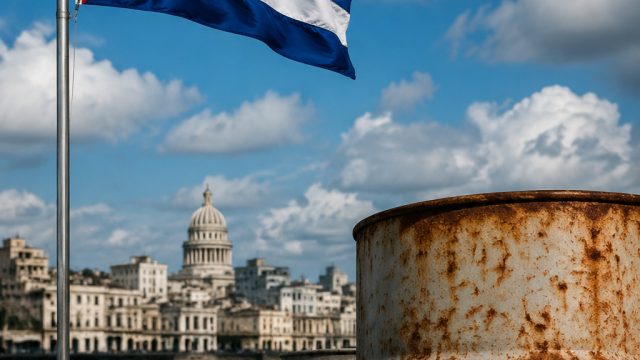
In a significant development in international trade, the United States has announced a new wave of sanctions against various state-owned enterprises in Cuba. This policy shift, which aims to weaken the financial capabilities of the Cuban government, is particularly noteworthy given the current political climate and ongoing discussions about trade relations. In this article, we delve into the implications of these sanctions and their wider impact on businesses and international commerce.
Understanding the Sanctions
The new sanctions, implemented by the Biden administration, primarily target entities that are believed to facilitate the repression and militarization of the Cuban population. This includes restrictions on financial transactions and trade with selected Cuban companies, further isolating the island nation from global markets.
Key Entities Affected
- Cuba's military and security companies
- Tourism-related operations linked to state agencies
- Businesses involved in the export of goods and services that directly benefit the Cuban government
These measures are intended to send a clear message: the US will not tolerate actions that undermine human rights or democratic principles in Cuba.
The Timing and Context of the Sanctions
Why now? The recent decision to impose sanctions comes at a crucial moment as the Cuban government faces mounting pressure from both the international community and its own citizens. Protests against economic hardships and political oppression have drawn attention to the plight of the Cuban people, prompting action from various entities, including the US government.
Impacts on International Trade
These sanctions could have far-reaching consequences for international trade, particularly for businesses considering investment in the Caribbean region. The US has historically played a significant role in shaping Cuba's economic landscape, and these fresh restrictions may deter potential foreign investors from entering the market.
Global Reactions
- Support from human rights organizations
- Criticism from some Latin American governments
- Concerns from businesses about the potential for increased tensions in the region
Reactions to the sanctions have been mixed, with many human rights advocates welcoming the move, while some international businesses express concerns over the volatility it introduces to their operations.
Looking Ahead: What Businesses Need to Know
For companies operating in or considering entry into the Cuban market, it is essential to stay informed about the evolving landscape of US-Cuba relations. Understanding these sanctions is crucial, not only for compliance but also for strategic planning.
Recommendations for Businesses
- Conduct thorough due diligence on any potential partners in Cuba to ensure they are not subject to sanctions.
- Stay up-to-date on changes in US policy towards Cuba, as this can impact market conditions.
- Consider alternative markets in the region that may offer more stable opportunities.
By being proactive and informed, businesses can navigate these challenging waters more effectively.
Conclusion
The sanctions imposed on Cuban state-owned companies mark a pivotal moment in US-Cuban relations and international business dynamics. As the situation unfolds, it is vital for businesses to remain vigilant and adaptable. The implications of these actions extend beyond mere policy; they affect the livelihoods of individuals and the economic fabric of nations. For stakeholders in the global marketplace, understanding these changes will be crucial for future success and compliance.
