




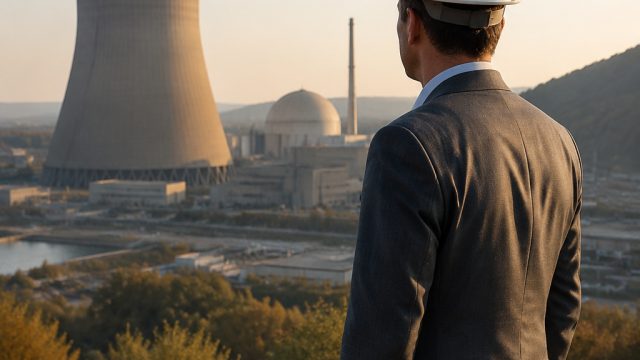
The energy landscape is on the brink of transformation as the U.S. government unveils a significant initiative aimed at bolstering nuclear energy development. Announced recently, a financial package of $17.5 billion has been allocated for the construction of ten new large-scale nuclear reactors. This move not only underscores the administration's commitment to diversifying energy sources but also highlights the increasing recognition of nuclear power as a viable solution to energy demands and climate change.
The Importance of Nuclear Energy in Today's Context
Nuclear energy has long been a contentious topic, characterized by debates over safety, environmental impact, and economic viability. However, as nations strive to meet ambitious climate targets, nuclear power is emerging as a crucial player in the transition to cleaner energy sources. Here’s why this news is particularly significant now:
- Climate Crisis: With growing concern over climate change, countries are seeking reliable, low-carbon energy sources. Nuclear power produces minimal greenhouse gas emissions during operation, making it an attractive alternative.
- Energy Security: The reliance on fossil fuels poses risks to national energy security. Expanding nuclear capacity can help stabilize energy supply and reduce dependence on imported fuels.
- Technological Advancements: Innovations in nuclear technology, including small modular reactors (SMRs), promise enhanced safety and efficiency, making nuclear energy more appealing than ever.
Understanding the Financial Commitment
The $17.5 billion loan announcement signals a robust federal investment in nuclear infrastructure. This funding is not merely a financial boost; it represents a long-term strategy to establish a resilient energy framework. Let's delve deeper into what this financing entails:
Key Aspects of the Financing Initiative
- Targeted Projects: The loans will be directed towards ten specific projects, focusing on large nuclear reactors that are expected to generate significant power output.
- Job Creation: The construction and operational phases of these nuclear facilities are projected to create thousands of jobs, contributing to economic growth in the regions where they are built.
- Public-Private Partnerships: The initiative encourages collaboration between government and private sector entities, fostering an environment of innovation and efficiency.
The Future of Nuclear Energy: Opportunities and Challenges
While the financial backing is a positive development, the road ahead for nuclear energy faces both opportunities and challenges:
Opportunities
- Investment in Modern Technology: The funding allows for investment in next-generation nuclear technologies that promise enhanced safety and lower operational costs.
- Sustainability Goals: By advancing nuclear projects, the U.S. can make significant strides towards its sustainability goals and commitments to international climate agreements.
Challenges
- Public Perception: Overcoming public skepticism about nuclear safety and waste management remains a critical hurdle that needs addressing through transparent communication and education.
- Regulatory Hurdles: Navigating the complex regulatory landscape can pose delays and increase costs for nuclear projects, requiring policy reforms.
Conclusion: A Pivotal Moment for the Energy Sector
The announcement of $17.5 billion in loans marks a pivotal moment for the U.S. energy sector, particularly for nuclear energy. As the world grapples with pressing environmental issues and the need for sustainable power sources, this initiative could accelerate the transition to a cleaner, more reliable energy future. Stakeholders across the industry must seize the moment, addressing both the opportunities presented by this financial commitment and the challenges that lie ahead. The success of these nuclear projects will be crucial in shaping the landscape of energy production for years to come.
