




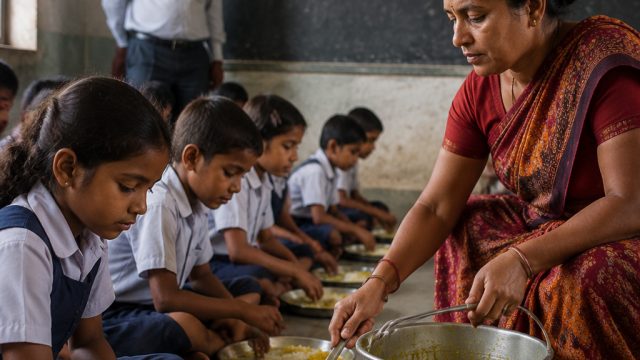
The political landscape in West Bengal is witnessing a significant stir as recent discussions around school meal policies escalate. The Trinamool Congress (TMC) has raised concerns regarding the BJP government's approach to nutrition in schools, specifically the potential removal of eggs from midday meals. This controversy is not just about food preferences; it touches upon children's health and well-being in the state.
Understanding the Context of School Meal Policies
In a state where dietary habits are diverse and culturally rich, the implications of changing school meal policies are profound. The BJP's proposal to modify midday meal contents has sparked criticism from TMC leaders who argue that such changes could adversely affect the nutrition of countless children.
The Nutritional Debate
The midday meal scheme was designed to ensure that children receive adequate nutrition during school hours. Eggs, being a rich source of protein, play an essential role in supporting the growth and health of students. By potentially excluding eggs from these meals, critics argue that the government risks compromising children's dietary needs.
Political Reactions and Public Sentiment
Following the budget presentation by the BJP government, TMC joint secretary Derek O'Brien vocalized the party's concerns. His remarks indicate that the government's initiatives might be perceived as an attempt to impose a vegetarian diet on the population, disregarding personal and cultural dietary choices. This narrative has fueled public discourse:
- Concern for Children: Many parents are worried about the potential impact on their children's health.
- Political Motives: There is suspicion that the BJP is using this policy to push a broader vegetarian agenda.
- Public Engagement: Citizens are encouraged to voice their opinions on social media and in community forums.
The Broader Implications of Dietary Choices
This ongoing discussion raises essential questions about dietary freedom and the role of government in food policies. While some may advocate for vegetarianism for ethical or environmental reasons, the nutritional needs of children must remain a priority.
Impact on Health and Nutrition
Research has shown that diverse diets contribute significantly to children's health outcomes. A balanced diet that includes various food groups is essential for:
- Promoting healthy growth and development.
- Enhancing cognitive performance in school.
- Reducing the risk of malnutrition and associated health issues.
Community Response and Activism
In response to these developments, local communities and health advocates are mobilizing to ensure children's nutritional needs are met. Several initiatives aim to:
- Raise awareness about the importance of balanced nutrition.
- Advocate for policy changes that prioritize children's health.
- Provide educational resources to parents about dietary needs.
Conclusion: A Call for Balanced Nutritional Policies
The current debate over school meals in West Bengal exemplifies the delicate balance between cultural dietary preferences and nutritional requirements. As the situation evolves, it is crucial for stakeholders—including parents, educators, and policymakers—to engage in meaningful dialogue. Ensuring that all children receive the nourishment they need is a shared responsibility that transcends politics. The future of West Bengal's children may depend on the choices made today.
