




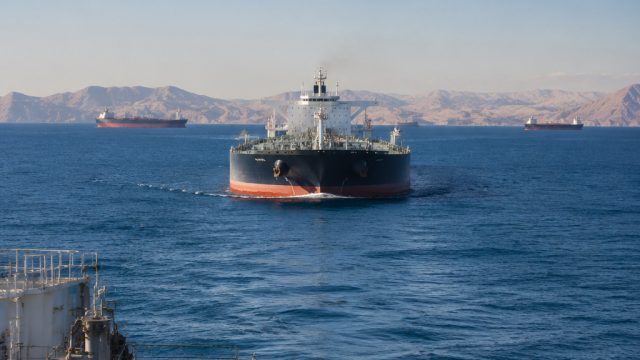
The oil market is experiencing a period of stabilization following a significant peace agreement between Iran and the United States. This recent development allows tankers to navigate the Strait of Hormuz with greater confidence, marking a pivotal moment for the energy sector. As oil prices steady, businesses must understand the implications this shift has on global supply chains and energy trading dynamics.
Heightened Tanker Activity in the Strait of Hormuz
The Strait of Hormuz, a crucial waterway through which approximately 20% of the world’s oil passes, has seen a noticeable increase in tanker traffic. This surge in activity is primarily attributed to the easing of tensions between Iran and the U.S., allowing Iranian oil to re-enter the global market without the fear of immediate sanctions.
Impact on Global Oil Prices
With Iran now able to sell oil more freely, analysts predict that global oil prices may stabilize or even decline slightly. The interplay of supply and demand is crucial, as more oil available from Iran could offset production cuts from other countries. This situation presents an intriguing dynamic for businesses engaged in wholesale exports, particularly those monitoring the oil market closely.
- Potential price drops could benefit businesses reliant on oil for production.
- Stability in oil prices can lead to increased investor confidence.
- The geopolitical landscape remains a critical factor affecting future price movements.
Trade Opportunities Arising from Political Changes
As the geopolitical climate shifts, new trade opportunities surface. Businesses involved in energy exports should consider the following aspects:
Emerging Betting Markets
In light of the evolving landscape, numerous new betting sites are emerging that focus on energy and commodities trading. For instance, platforms such as www.bonanza88.com are beginning to offer betting options linked to oil prices, allowing traders to hedge against fluctuations.
Integrating Betting Analytics
As the oil market stabilizes, innovative analytics are now being integrated into betting strategies. For example:
- Utilizing data from popular platforms like mega888 and liga 188 slots to create predictive models.
- Understanding the effects of global events on energy supply and aiming for strategic bets.
- Engaging with basketball betting sites that offer insights into the economic impact of energy prices on sports events.
Long-Term Market Considerations
While immediate trends in oil prices can be gauged, businesses must also consider long-term market factors to remain competitive. This includes:
Continued Monitoring of U.S.-Iran Relations
The stability of oil prices is closely tied to ongoing relations between the U.S. and Iran. Any shifts in policy could dramatically alter the supply environment. Companies should:
- Stay informed about potential sanctions or trade agreements.
- Develop contingency plans for abrupt changes in oil availability.
- Evaluate partnerships with countries that may benefit from Iran's re-entry into the market.
Technological Adoption in Trading
Embracing technology can provide businesses with an edge in the rapidly changing market. Considerations include:
- Utilizing advanced software for real-time tracking of oil prices.
- Exploring platforms like gbo4d link alternatif for comprehensive market analysis.
- Incorporating artificial intelligence to predict market trends based on current data.
Conclusion: Preparing for Tomorrow’s Energy Landscape
As the oil market adjusts to new geopolitical realities, businesses involved in wholesale exports must stay ahead of trends and adapt their strategies accordingly. The peace agreement between Iran and the U.S. opens new pathways for trade, but it also introduces uncertainty that requires keen observation and proactive measures. By embracing innovative tools and monitoring the situation closely, businesses can position themselves for success in an evolving energy landscape.
