




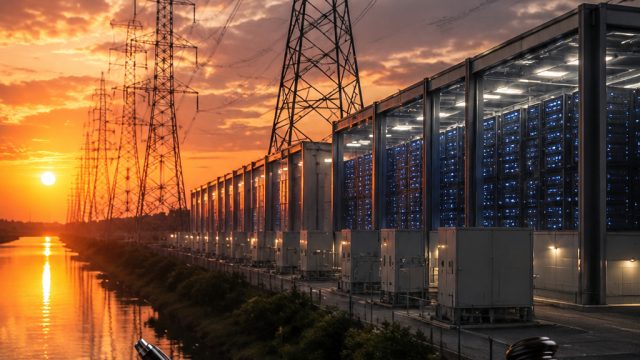
Across the tech landscape, a significant shift is underway as lawmakers in Washington are discussing a new bill that would require technology companies to directly cover the energy expenses associated with their AI data center operations. This proposed legislation, poised for advancement through a House subcommittee, has sparked conversations about accountability and sustainability in the tech sphere.
The Energy Burden of AI
As artificial intelligence (AI) technology continues to advance, the energy demand of the data centers that drive these innovations has escalated. For many tech giants, operating these facilities is not just essential for their growth; it has become a considerable expense impacting their profitability and sustainability efforts.
Why Now?
- Environmental Concerns: With growing awareness of climate change, there is increasing pressure on corporations to reduce their carbon footprints. AI data centers consume significant energy, often sourced from non-renewable means.
- Legislative Push: The bill's momentum reflects a broader push for corporate responsibility, as governments seek to hold large companies accountable for the environmental impact of their technologies.
- Public Sentiment: Consumers today are more environmentally conscious and are advocating for practices that ensure tech companies invest in renewable energy sources.
What the Legislation Entails
The proposed law would require companies operating AI data centers to pay for the energy costs associated with their operations. This shift signifies a major change in how energy expenses are distributed and could lead to increased scrutiny of energy consumption patterns among tech firms.
Key Provisions of the Bill
- Accountability Measures: Companies must report their energy usage and pay associated costs, promoting transparency.
- Incentives for Renewable Energy: The legislation encourages tech companies to invest in renewable energy solutions to mitigate costs.
- Funding for Infrastructure: A portion of the energy payments could be reinvested into improving energy infrastructure and promoting energy efficiency initiatives.
Potential Impacts on the Tech Industry
Should the bill pass, its ramifications could be extensive, ranging from financial implications to shifts in operational strategies within tech firms. For instance, companies may need to reevaluate their reliance on energy-intensive AI technologies or invest in energy-efficient alternatives.
Economic Considerations
- Cost Increase: Firms may face heightened operational costs, forcing them to either absorb these costs or pass them on to consumers.
- Competitive Landscape: Smaller tech companies may struggle to compete if larger corporations can more easily absorb the financial burden of these energy costs.
- Innovation Drivers: The need for energy-efficient solutions could spur innovation within the industry, leading to breakthroughs in AI and data management.
Long-Term Sustainability Goals
This proposed legislation reflects a broader trend towards sustainability in the technology sector. As the demand for AI services grows, so does the necessity for environmentally responsible practices. By making tech companies accountable for their energy use, legislators hope to encourage a new standard in corporate responsibility.
Advancing Green Tech Initiatives
- Investing in Renewable Sources: Companies may begin investing more heavily in solar, wind, and other renewable energy sources.
- Collaborative Efforts: Tech firms could collaborate with energy providers to create sustainable energy solutions.
- Policy Influence: As these tech companies adapt, they may also influence future energy policies to favor sustainable practices.
Conclusion: A Pivotal Moment for Tech
The potential passage of this legislation is a pivotal moment for the tech industry. As AI technology continues to evolve, it is crucial for firms to balance innovation with sustainability. By addressing the energy costs associated with AI data centers, lawmakers are not only holding companies accountable but also prompting a necessary dialogue about the future of technology in alignment with environmental stewardship. The coming months will be critical in shaping how the tech industry responds to these new challenges and opportunities.
