




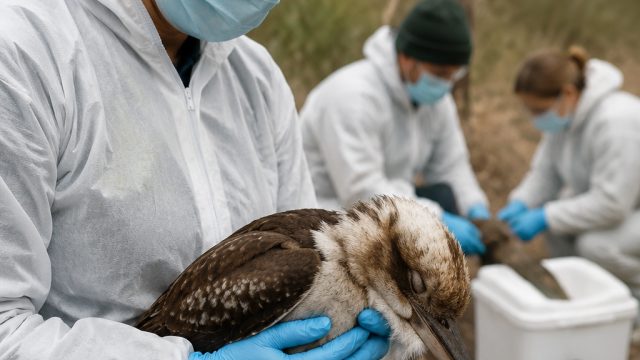
Australia's rich biodiversity is under an unprecedented threat from the highly pathogenic H5N1 bird flu, with recent analyses revealing that over 150 native bird species and 10 mammal species are at a 'very high risk' of extinction or significant decline if the disease spreads. This dire situation calls for immediate attention and proactive measures to safeguard these vulnerable species.
The Threat of H5N1 Bird Flu
The H5N1 strain of bird flu has already demonstrated its lethal impact worldwide, leading to the deaths of millions of birds and mammals. This is not just a local issue; it poses a serious risk to global biodiversity. Experts have pointed out that the introduction of this virus into Australia's ecosystems could have catastrophic effects, particularly on its unique fauna.
High-Risk Species Under Threat
Among the species identified as being at extreme risk are:
- Black Swans - Iconic to Western Australia, these birds are particularly susceptible to the virus.
- Tasmanian Devils - Already battling a range of diseases, further stress from bird flu could jeopardize their survival.
- Swift Parrots - These migratory birds are facing habitat loss, and the addition of avian flu could push them closer to extinction.
Why This Matters Now
With the current global climate scenario, the timing of an outbreak could not be worse. Australia is already experiencing challenges such as climate change and habitat destruction. Adding bird flu to this mix could create a perfect storm for many species. Conservationists argue that immediate action is critical.
Importance of Rapid Response
A timely response could mitigate the spread of the virus. Here are several strategies being discussed:
- Enhanced Monitoring - Implementing stricter surveillance on bird populations to detect infections early.
- Public Awareness Campaigns - Educating the public on the importance of keeping wild birds safe and the impact of the disease.
- Funding for Research - Allocating resources for studies that explore vaccines and antiviral treatments specifically for wildlife.
Engaging the Community in Conservation
Community involvement is crucial in the fight against H5N1. Programs that encourage local participation in bird watching and reporting unusual bird behavior can help in early detection efforts. Additionally, using online platforms to connect with others who share the same concerns can enhance collective action.
Connecting Through Online Platforms
As we leverage technology to unite efforts, consider engaging in:
- Online Games with Friends: Engaging in educational games that raise awareness about wildlife conservation can be both fun and informative.
- Social Media Initiatives: Sharing information and resources through social networks can help spread the word about the urgency of this situation.
- Community Forums: Participating in discussions about local wildlife can help galvanize community action.
Conclusion
As the threat of H5N1 bird flu looms over Australia, it is essential for government bodies, conservationists, and the public to come together to protect the nation's unique wildlife. The time for action is now—before we witness the irreversible decline of some of our most beloved species. By raising awareness, enhancing monitoring efforts, and fostering community engagement, there is still hope to avert a crisis that could change Australia’s ecological landscape forever.
