




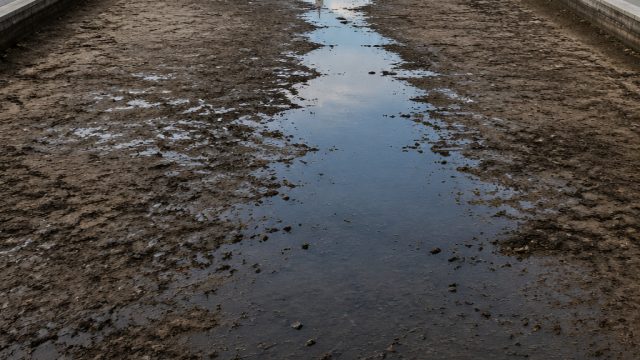
Reflecting Pool Drainage Sparks Debate Amid Blame and Mismanagement
The recent decision to drain the Reflecting Pool in Washington, D.C., has ignited intense discussions about accountability and the state of public facilities. This lengthy debate highlights not only the physical condition of the Reflecting Pool but also the broader implications of management oversight and public expectations.
A Closer Look at the Reflecting Pool's Condition
Originally designed to symbolize unity and reflection, the Reflecting Pool has faced numerous challenges over the years. The recent announcement regarding its drainage was largely prompted by visible deterioration and concerns about cleanliness. The public’s response to this decision has been mixed, with many questioning why it has reached this point.
What Led to the Drainage Decision?
- Visible Deterioration: Reports indicate that the algae and debris accumulation was becoming increasingly problematic, prompting officials to take action.
- Public Safety Concerns: The state of the water raised significant health concerns, necessitating a temporary closure and maintenance.
- Political Accountability: Recent comments by former President Trump have pointed fingers at 'vandals' for the pool's unfortunate condition, complicating the narrative.
Political Reactions to the Drainage Decision
The political ramifications of this decision are profound. Trump’s allegations of vandalism have stirred controversy and sparked debates over responsibility for public resources. Many see this as an opportunity to scrutinize the management of iconic landmarks.
Public Figures Weigh In
Several public figures have spoken out against the notion of vandalism as a scapegoat:
- Local Leaders: They argue that the condition of the Reflecting Pool reflects broader issues of allocation and management of public funds.
- Environmental Activists: They express concern about the ecological implications of neglecting such public spaces.
What’s Next for the Reflecting Pool?
As the drainage process begins, experts have voiced their opinions on what should follow. The Reflecting Pool is more than just a body of water; it's a historic landmark. Its future maintenance raises crucial questions about commitments to public heritage and environmental stewardship.
Possible Revisions and Upgrades
- Revitalization Plans: There are calls for a comprehensive revitalization plan that incorporates state-of-the-art cleaning technologies.
- Community Engagement: Engaging local communities in the upkeep of the pool could foster a sense of ownership and responsibility.
- Regular Maintenance Schedules: Proposals suggest establishing regular monitoring and maintenance schedules to prevent future deterioration.
Public Sentiment and Future Implications
The public's response to the Reflecting Pool’s drainage has been a mix of disappointment and hope for a better future. Many citizens feel a sense of loss but also express optimism about possible improvements. This situation serves as a reminder of the need for accountable governance, especially concerning public assets.
Community Perspectives
- Local Residents: Many are eager for improvements but wary of governmental accountability.
- Tourism Impact: The Reflecting Pool attracts thousands of visitors each year, and its upkeep is crucial for maintaining tourism in the area.
Conclusion: A Call to Action for Responsible Management
As the debate surrounding the Reflecting Pool's drainage unfolds, it serves as a crucial case study in governance and public accountability. Moving forward, it is imperative for leaders to take proactive measures, ensuring that such iconic landmarks receive the respect and care they deserve. The future of the Reflecting Pool depends not only on how it is managed but also on how the community and its leaders respond to the challenges ahead.
