




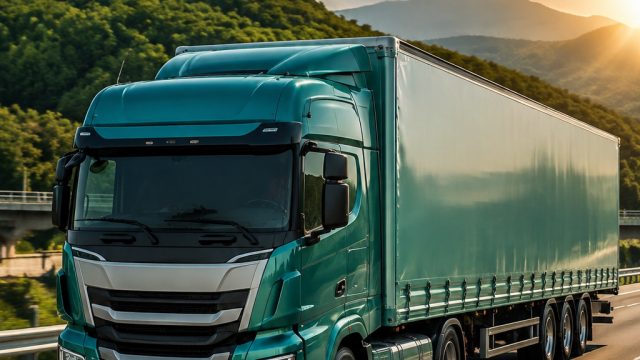
The transportation industry is on the brink of a significant transformation, driven by the imperative to enhance fuel efficiency while reducing environmental impact. The advent of diesel-electric hybrid trucks signifies a pivotal moment for fleet operators seeking to balance power with sustainability. As industry demands evolve and regulatory pressures tighten, understanding the implications of this technology has never been more critical.
Why Diesel-Electric Hybrid Trucks Matter Now
The push for greener technologies is reshaping the logistics landscape. With recent advancements in hybrid technology, the diesel-electric hybrid truck offers compelling benefits that cater to today’s operational requirements. These trucks bring together the robust performance of traditional diesel engines with the efficiency of electric power, heralding a new age of transportation solutions.
Enhancing Efficiency and Performance
Hybrid trucks leverage both diesel engines and electric motors to optimize performance. The combination allows for:
- Improved Fuel Efficiency: By using electric power during lower-speed operations, these vehicles significantly reduce fuel consumption. This is particularly beneficial for city driving and stop-and-go traffic, common in urban logistics.
- Reduced Emissions: Lower fuel usage translates to decreased greenhouse gas emissions, making hybrid trucks an environmentally friendly option.
- Regenerative Braking: Hybrid systems can recover energy during braking, further enhancing overall efficiency and extending the vehicle's operational range.
Current Trends in Hybrid Truck Adoption
As businesses reevaluate their transportation strategies, the adoption of hybrid big rigs is gaining traction. The factors contributing to this trend include:
- Government Incentives: Many regions are offering tax breaks and grants for companies that invest in cleaner technologies, making hybrid trucks more financially appealing.
- Corporate Sustainability Goals: Companies increasingly prioritize sustainability in their operations, making hybrid trucks an attractive option to meet environmental targets.
- Technological Advancements: Continuous improvements in hybrid technology are making these trucks more powerful and reliable than ever before.
Challenges and Considerations
Despite the many advantages, there are also challenges that fleet operators must navigate:
- Initial Costs: The upfront investment for hybrid trucks can be higher than traditional models, although long-term savings can offset this.
- Infrastructure Requirements: Companies may need to invest in charging stations and maintenance capabilities to support a hybrid fleet.
- Driver Training: Transitioning to a new technology requires additional training for drivers to ensure they can maximize the benefits of hybrid operations.
Maximizing the Benefits of Diesel-Electric Hybrid Trucks
For organizations considering a switch to hybrid trucks, the following strategies can help maximize benefits:
- Conduct Thorough Research: Understand the specific models available and their operational benefits. Models from manufacturers like IVECO are leading the way in this space.
- Evaluate Total Cost of Ownership: Consider not just the purchase price but also fuel savings, maintenance costs, and potential tax benefits.
- Engage in Pilot Programs: Implement a small-scale pilot program to gauge performance and operational impacts before a full rollout.
Conclusion: A Step Towards Sustainable Logistics
The transition to diesel-electric hybrid trucks represents a significant step towards a more sustainable and efficient logistics industry. With their ability to reduce fuel consumption and emissions while maintaining performance, hybrid vehicles are not just a trend; they are a necessary evolution in the face of increasing operational demands and environmental responsibilities. As the industry moves forward, embracing this technology could be the key to unlocking both profitability and sustainability in freight transportation.
