




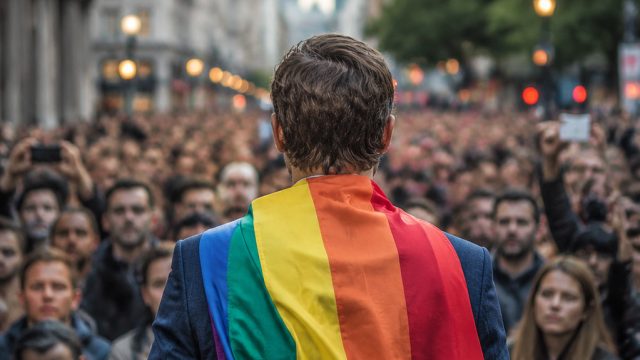
In today’s political landscape, the participation of LGBTQ individuals is becoming increasingly prominent, yet it is accompanied by an unsettling rise in threats and harassment. Recent reports indicate that a significant number of LGBTQ candidates fear for their safety when campaigning, creating a chilling effect on democratic participation. This situation requires urgent attention and action from both political parties and society at large.
The Current Landscape for LGBTQ Candidates
As more LGBTQ individuals step into political roles, they bring unique perspectives that enrich democratic discourse. However, the threats they face are formidable. Many candidates report experiencing harassment that deters them from actively pursuing their political ambitions. This fear not only impacts individuals but also jeopardizes the broader democratic process.
Understanding the Threats
Threats against LGBTQ candidates can manifest in various forms, including:
- Verbal Harassment: Candidates often face derogatory comments during public events or on social media.
- Physical Threats: There are increasing reports of physical confrontations at rallies and town halls.
- Cyberbullying: Social media platforms are frequently used to instigate campaigns of intimidation.
- Vandalism: Campaign materials, offices, and personal property can become targets for vandalism.
The Impact on Campaign Dynamics
The implications of these threats are profound. Many LGBTQ candidates report that the fear of harassment alters their campaign strategies. Some adopt a lower profile to avoid confrontation, while others hesitate to engage with their communities. This not only diminishes their visibility but also limits the representation of LGBTQ voices in crucial political discussions.
Statistics Reflecting the Growing Concerns
Recent surveys have highlighted the severity of the situation:
- Approximately 70% of LGBTQ candidates indicate they have experienced harassment during their campaigns.
- 50% express concern about potential physical attacks while in public spaces.
- Many report feeling isolated and unsupported by their political parties.
These figures underscore a troubling trend that cannot be ignored. The political system thrives on diversity and representation, and when candidates feel threatened, it undermines the democratic process.
Why This Matters Now
The urgency of addressing the threats against LGBTQ political candidates cannot be overstated. As multiple elections approach, it is critical to foster an environment where all candidates can campaign without fear. Failure to do so could lead to a more homogeneous political environment that does not adequately represent the needs and values of the entire electorate.
Mobilizing for Change
In response to these challenges, various organizations are stepping up to help protect LGBTQ candidates. Initiatives include:
- Training Programs: Workshops focusing on personal safety and crisis management are being offered to candidates.
- Support Networks: Creating platforms for candidates to share experiences and strategies.
- Legislative Advocacy: Pushing for laws that protect candidates from harassment and violence.
Engagement from the community and advocacy groups is crucial. By raising awareness and supporting LGBTQ candidates, society can begin to dismantle the barriers they face.
Conclusion: A Call to Action
The surge in threats against LGBTQ political candidates represents a critical issue that demands our attention. By fostering safe political environments, we can ensure that diverse voices continue to participate fully in democracy. As we navigate these challenging times, it is essential to stand in solidarity with candidates who are courageously offering their perspectives and challenging the status quo. Now is the time for change!
