




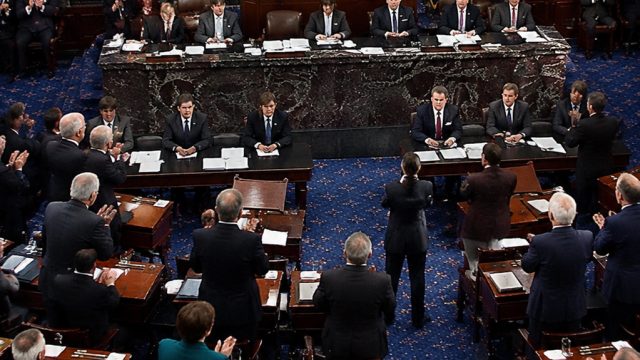
In a significant political development this week, the Senate voted to restrict President Trump's authority to engage militarily with Iran, marking a pivotal moment in U.S. foreign policy. The resolution, which gained bipartisan support, reflects growing concerns over unchecked presidential powers and the potential for escalating conflicts without congressional approval.
The Vote: A Bipartisan Effort
On Wednesday, the Senate passed the resolution with a decisive majority, indicating a rare instance of cooperation between Democrats and Republicans. This vote comes at a time when tensions with Iran have been high, and questions regarding the executive branch's power to initiate military actions have resurfaced.
Key Details of the Resolution
- The resolution explicitly directs the President to terminate hostilities with Iran unless Congress provides authorization.
- It passed with a vote tally of 55-45, showcasing significant bipartisan backing.
- Several Republicans joined Democrats in supporting the measure, highlighting a fracture within the GOP regarding foreign policy strategy.
Why This Matters Now
This legislative action is particularly timely given the current global landscape. With rising geopolitical tensions and the ongoing military engagements in various regions, the Senate's decision underscores the need for a checked and balanced approach to military action.
The Implications for U.S. Foreign Policy
The resolution signals a shift in how Congress may exercise its war powers, potentially setting a precedent for future administrations. Experts warn that the unchecked power of the presidency can lead to conflicts that might not align with national interests or public opinion.
The Reaction from Lawmakers
Lawmakers from both sides of the aisle have expressed their views, with many advocating for a more collaborative approach to foreign policy decisions:
- Democratic Senator Tim Kaine stated, "It's essential that Congress reasserts its role in authorizing military action. We cannot allow a single individual to make such grave decisions without oversight."
- Conversely, some Republican senators have voiced concerns that limiting presidential powers could undermine national security, arguing for a more aggressive stance towards adversarial nations like Iran.
The Broader Context: Public Sentiment
Public opinion appears to align with the Senate's actions, as many Americans express concern over prolonged military engagements. According to a recent poll, a significant majority of voters believe that Congress should have a greater say in military decisions, reflecting a desire for accountability.
Historical Precedents
This vote brings to mind historical instances where executive power has been challenged:
- The Vietnam War: A time when Congress sought to curtail presidential powers after escalating troop deployments without congressional consent.
- The War Powers Resolution of 1973, which aimed to limit the president's ability to engage in military action without legislative approval.
What Lies Ahead
As the political landscape evolves, the implications of this Senate vote are likely to influence future interactions between branches of government. It remains to be seen how the Trump administration will respond and whether this will lead to a more pronounced debate about the role of Congress in military affairs.
Final Thoughts
The Senate's recent move to restrict presidential war powers concerning Iran marks a significant moment in U.S. politics. As tensions in the region persist, the necessity for collaboration between Congress and the President has never been more critical. This situation is a reminder of the importance of accountability in military decisions, ensuring that the voices of the American people are represented in discussions of national security.
In conclusion, the bipartisan support for this resolution may signify a shift towards a more balanced approach in U.S. foreign policy, prompting further discussions on the need for checks on presidential authority in military engagements. As the situation develops, it is essential for citizens to stay informed and engaged in these pivotal issues that affect both national security and international relations.
