




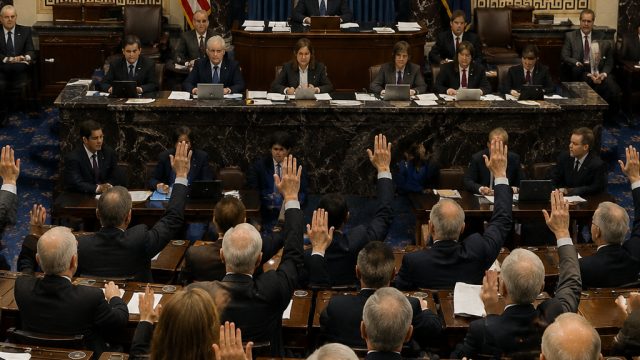
In a significant legislative move, the U.S. Senate has voted to restrict the war powers of the President concerning military actions in Iran. This decision marks a pivotal moment in U.S. foreign policy, emphasizing the importance of congressional oversight in military engagements.
The Background of the Conflict
The tensions between the United States and Iran have escalated over the past few years, particularly under the Trump administration. With military actions becoming a routine response to perceived threats, many lawmakers have voiced concerns regarding the lack of checks on presidential power. This recent Senate vote aims to address those concerns and establish a clearer framework for military engagement.
Reasons Behind the Senate's Decision
- Checks and Balances: The foundational principle of checks and balances is essential in preventing any single branch of government from wielding too much power.
- Escalation of Hostilities: Lawmakers are increasingly wary of an extended military engagement that could lead to broader conflicts.
- Public Sentiment: There is a growing public demand for accountability in military decisions, especially after years of prolonged engagements in the Middle East.
Details of the Legislation
The legislation passed in the Senate directs the President to withdraw U.S. troops from the Iranian conflict unless Congress explicitly authorizes military action. This move received bipartisan support, with several Republicans joining Democrats in the vote, showcasing a rare moment of unity in an often-divided Congress.
Key Provisions of the Bill
- Withdrawal Timeline: The bill stipulates a clear timeline for troop withdrawal, ensuring that military presence is not maintained without legislative approval.
- Reporting Requirements: The President must provide Congress with regular updates on military engagements in Iran.
- Emergency Powers: While the bill limits presidential powers, it still allows for emergency measures to be taken in urgent situations.
Implications for Future U.S. Foreign Policy
This Senate vote could reshape the future of U.S. foreign policy significantly. By reinforcing congressional authority over military actions, lawmakers are sending a clear message about the need for collaborative governance when it comes to matters of war and peace.
Potential Challenges Ahead
- Presidential Resistance: The President may resist these limitations, arguing that they hinder the ability to respond swiftly to threats.
- Political Divisions: While this vote showcased some bipartisan agreement, deep political divides remain that could complicate future legislative efforts.
- Public Opinion: Continued public scrutiny and demands for accountability will likely influence how both Congress and the President approach foreign engagements moving forward.
Conclusion
The Senate's recent action to limit presidential war powers regarding Iran is both timely and critical. As the landscape of global politics shifts, it is essential for legislative bodies to reclaim their role in decisions that could affect the nation's security and international relations. This move reflects a growing consciousness of the need for a balanced approach to foreign policy, ensuring that military interventions are judicious and aligned with the country's values and interests. As this situation unfolds, the implications of this vote will be closely watched, not just by political analysts but by citizens concerned about the future of U.S. involvement abroad.
