




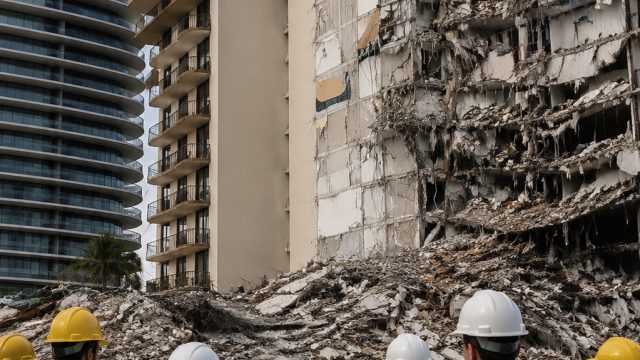
New Insights into the Surfside Condo Collapse: A Cautionary Tale
Five years have passed since the tragic collapse of the Champlain Towers South in Surfside, Florida, yet the revelations from this disaster continue to resonate in discussions about building safety and structural integrity. A recent investigation conducted by the National Institute of Standards and Technology (NIST) has unveiled critical findings that highlight how failures accumulated over weeks before the catastrophic event. Understanding these insights is essential for property owners and developers, especially in today’s context where building regulations are under scrutiny.
The Unfolding of a Tragedy
According to the NIST report, the collapse, which claimed 98 lives, can be traced back to a series of negligent oversights and mounting structural deficiencies. Investigators found that the condominium had been deteriorating for weeks prior to the collapse, with signs of severe water damage and concrete degradation that went unaddressed.
Key Findings from the Investigation
- Structural Failures: The report indicates that the building's foundation had become compromised due to long-standing issues related to drainage and waterproofing.
- Delayed Maintenance: There was a significant lack of maintenance and repair efforts despite warnings from engineers.
- Code Violations: The building had multiple code violations that contributed to its vulnerability.
Why These Findings Matter Now
The implications of the NIST report extend far beyond Surfside. As urban areas continue to grow and older buildings require modernization, the findings serve as a stark reminder of the potential dangers posed by neglecting building maintenance and safety standards. Here are a few reasons why this is particularly relevant today:
1. Increased Urban Development
With rising populations in urban centers, more structures are being built rapidly. This puts additional pressure on compliance with safety standards.
2. Legislative Reforms
In light of the Surfside tragedy, several states are considering reforms to building safety regulations. Understanding these findings can help inform legislative changes that prioritize structural integrity.
3. Public Awareness
Awareness about building safety is paramount, especially for residents living in high-rise apartments. Tenants should be encouraged to advocate for regular inspections and maintenance checks.
Lessons Learned for Property Owners
For property owners and developers, the NIST findings provide critical lessons that ought to be integrated into future building projects:
- Routine Inspections: Implementing regular inspections can help identify and solve issues before they escalate.
- Engaging Experts: Hiring qualified engineers for assessments can provide deeper insights into potential risks.
- Emergency Plans: Developing and communicating an emergency response plan to residents can save lives in the event of structural failures.
Conclusion: A Call to Action
The tragic collapse of the Surfside condo serves as a crucial reminder of the importance of maintaining structural integrity in high-rise buildings. As new legislation and safety measures emerge, it is imperative for property owners, developers, and residents to prioritize building safety. The insights from the NIST investigation should not only lead to changes in policy but also foster a culture of safety that protects the lives of countless individuals living in urban environments. It is our collective responsibility to ensure such tragedies are not repeated.
